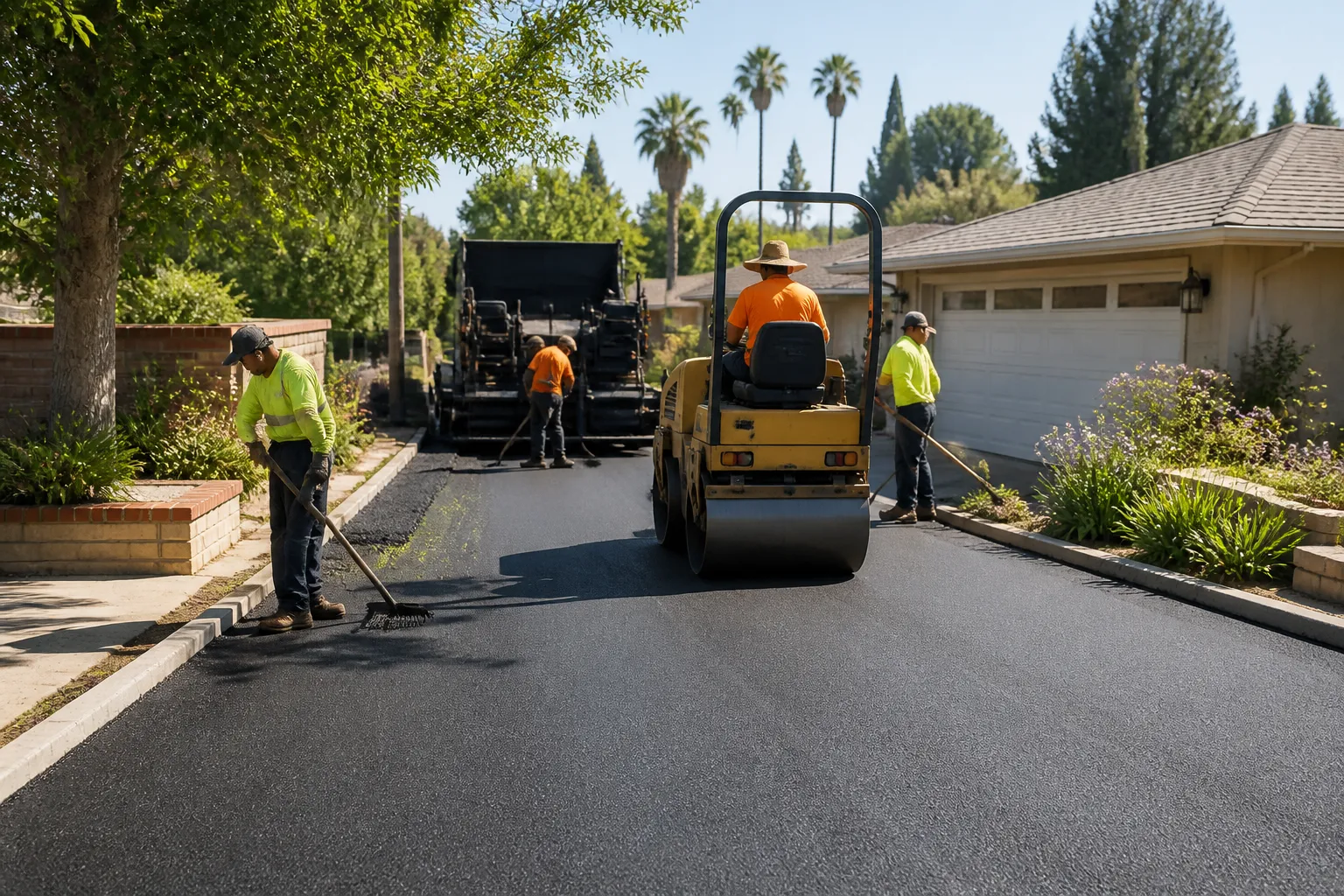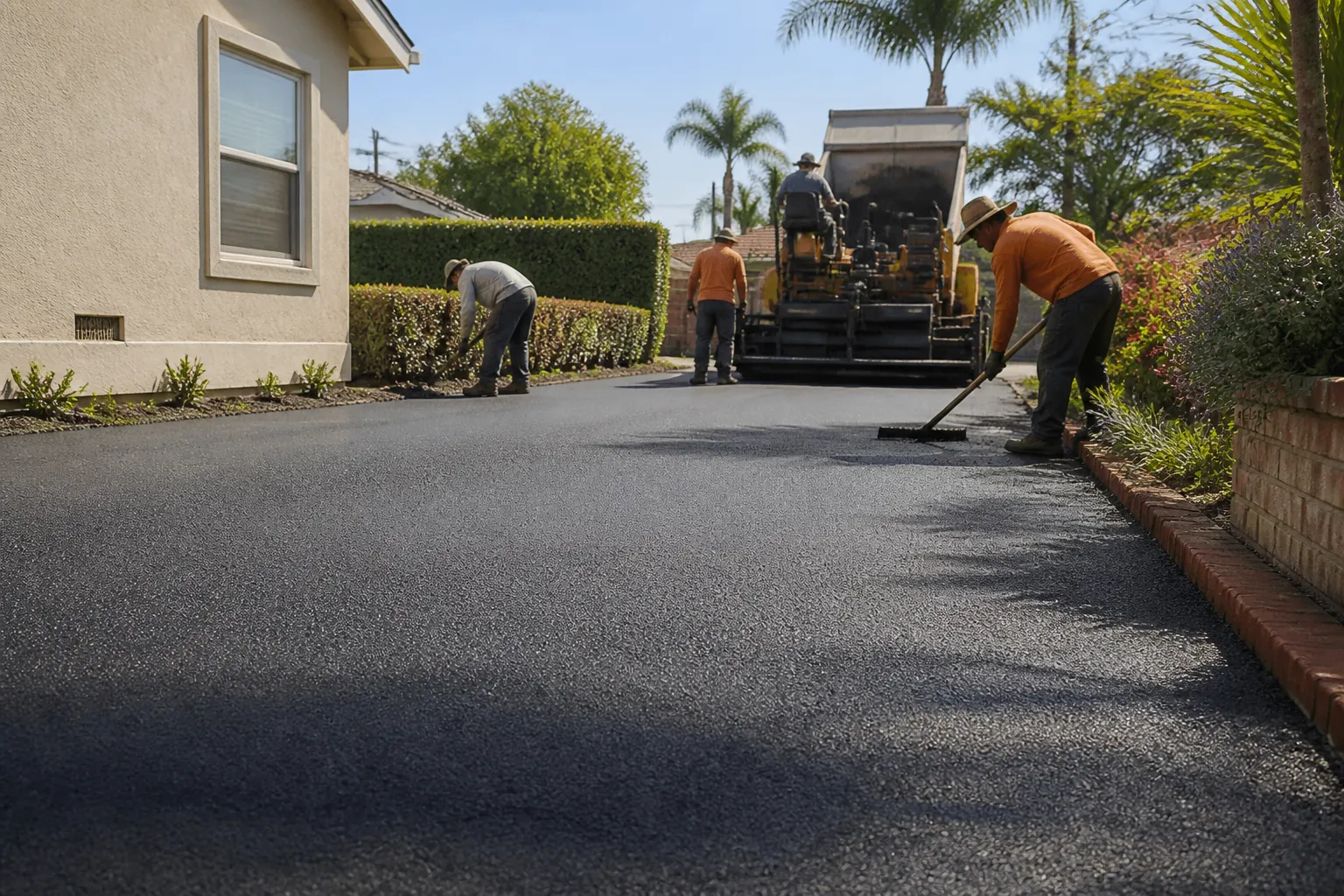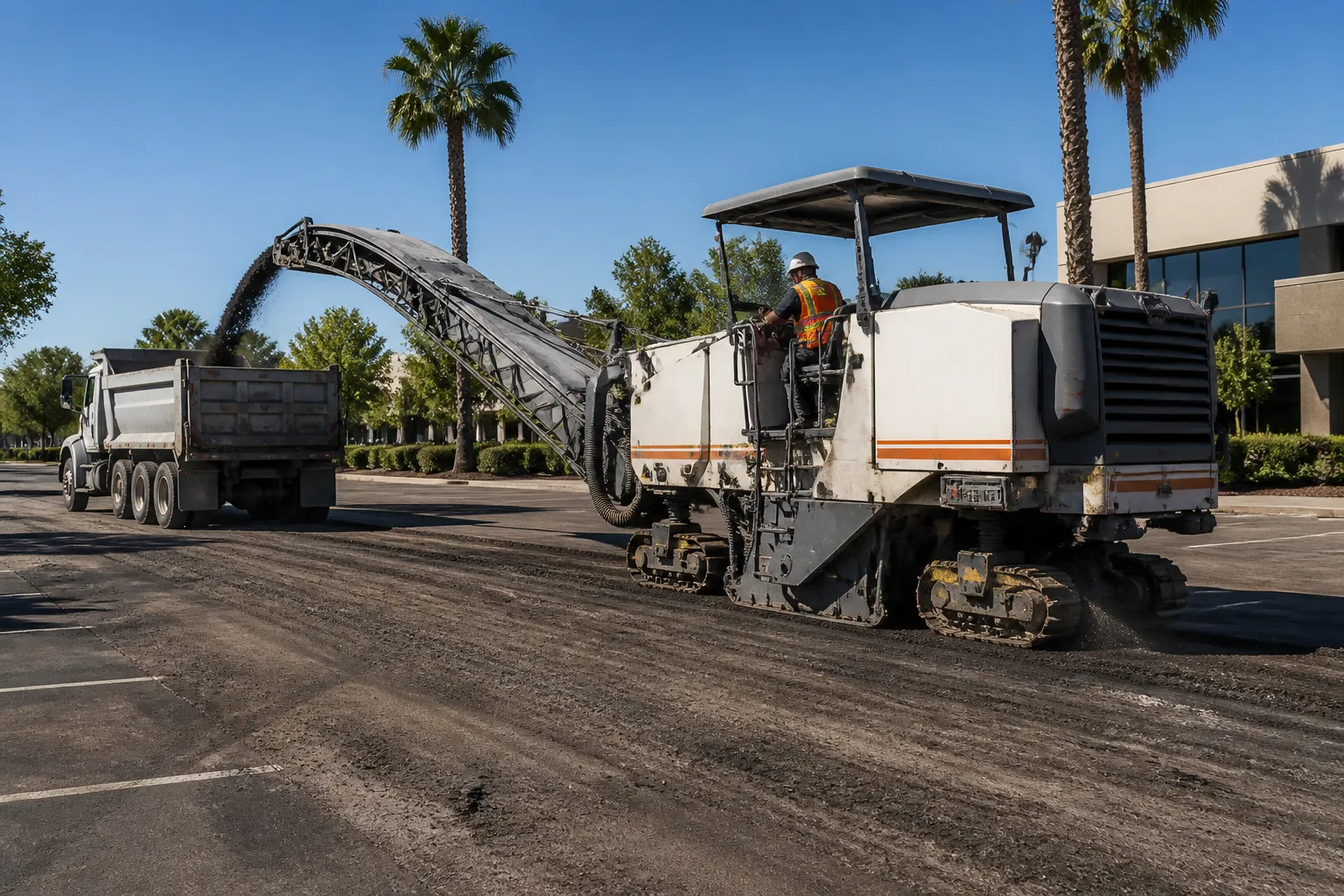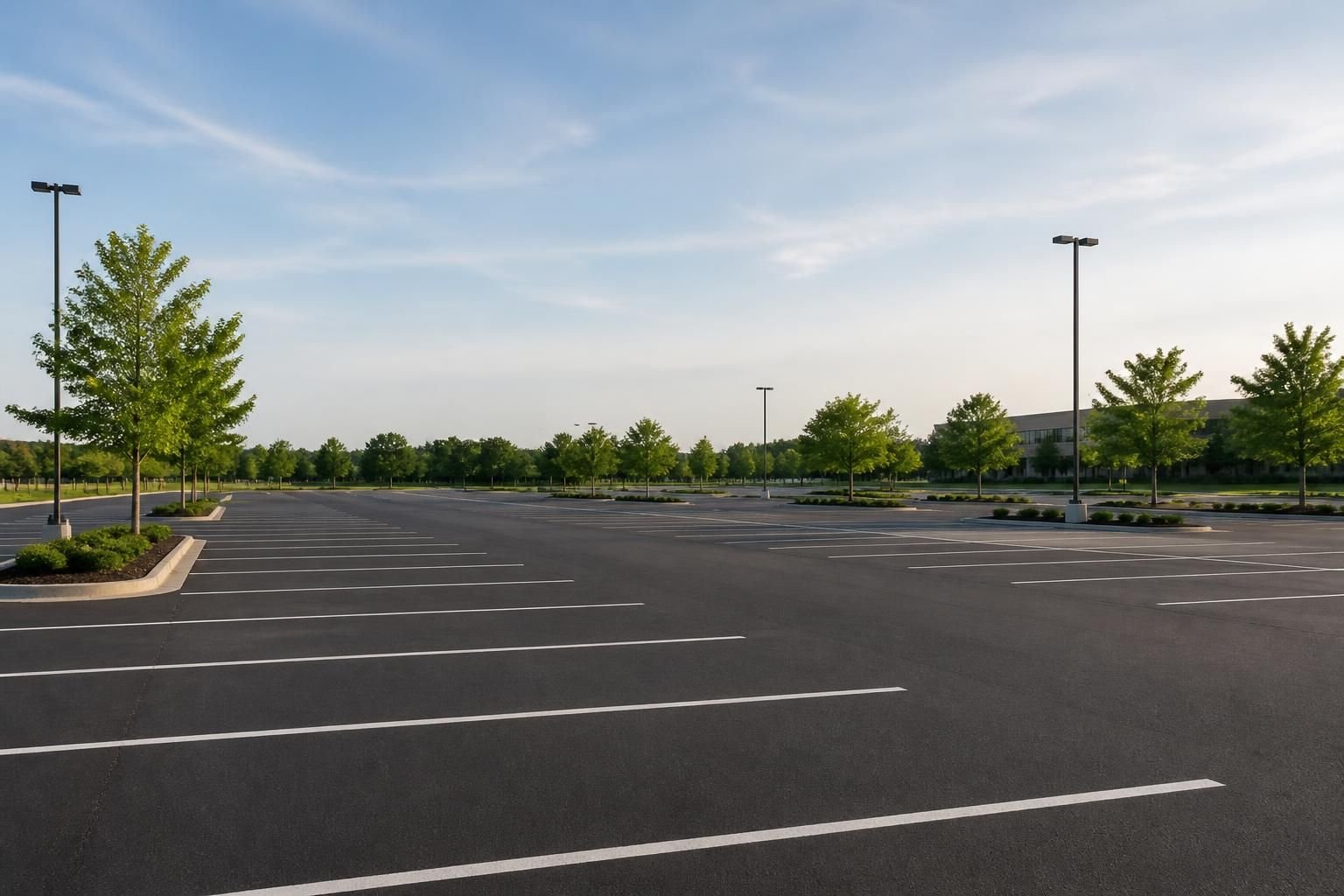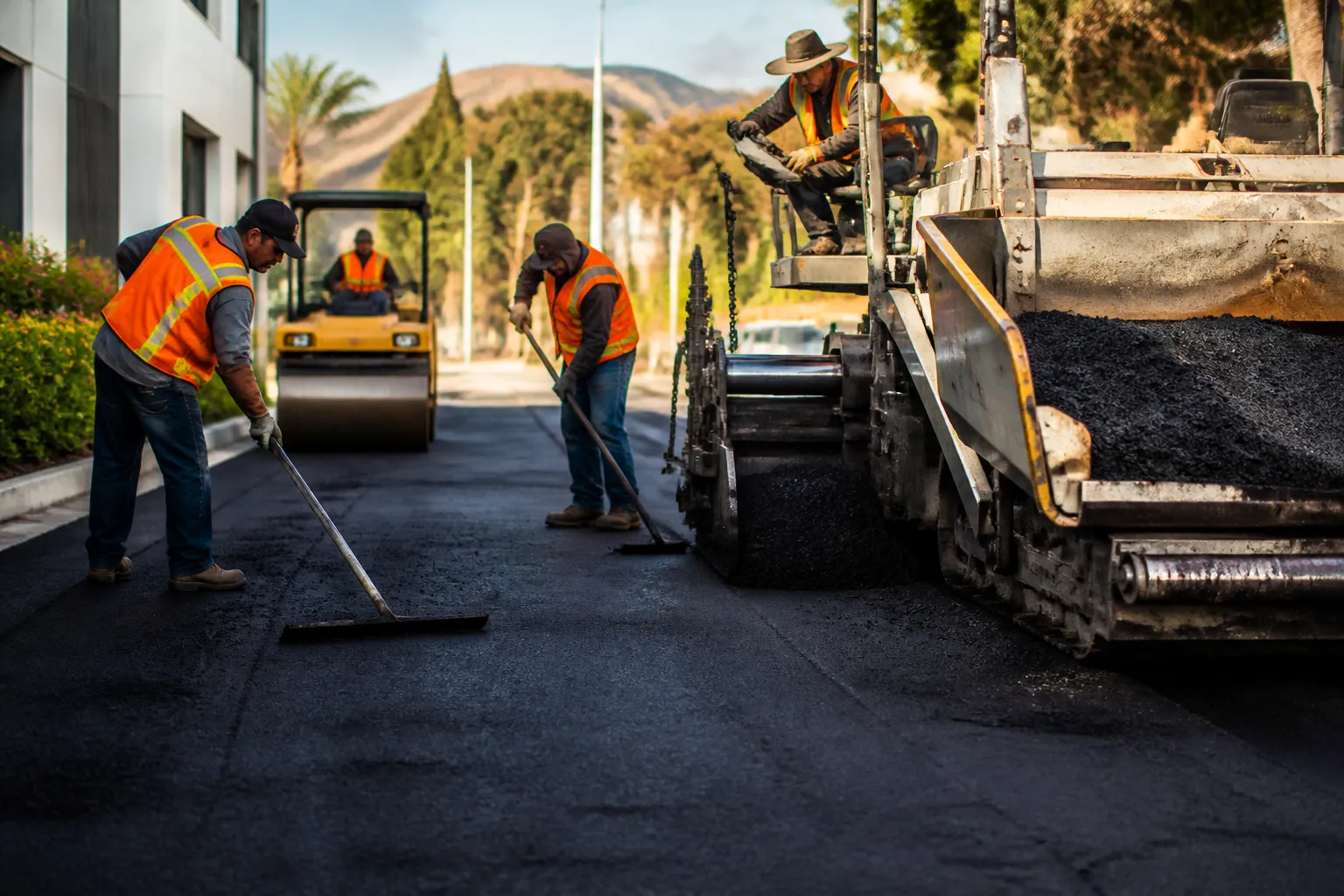
Van Nuys Asphalt Paving provides practical asphalt solutions for property owners throughout Van Nuys and nearby communities.
Sealcoating is a protective maintenance treatment, not a repair for pavement that is already failing. In Van Nuys, sun, heat, vehicle traffic, oil drips, and seasonal rain can gradually dry and wear an asphalt surface. A properly timed sealcoat can help preserve the surface and maintain a uniform appearance, but the right interval depends on the pavement’s condition and use.
For many residential driveways and light-use parking areas, an evaluation every two to three years is a practical starting point. Busy commercial lots, strong sun exposure, turning traffic, and frequent vehicle use may call for more frequent attention. Rather than treating the calendar as an absolute rule, inspect the surface and make sure needed repairs are completed before sealcoat is applied.
What Sealcoating Does
Asphalt contains binders that hold aggregate together. Over time, oxidation and ultraviolet exposure can make the surface look gray, dry, and less flexible. Sealcoating provides a protective layer that helps limit the effects of sun, water, and everyday contaminants. It can also restore a darker, more uniform finish to sound pavement.
Sealcoat is not designed to fill structural cracks, repair potholes, correct drainage, or stabilize a weak base. Applying it over broken pavement can make the area look darker for a short period without solving the reason it failed. Crack filling, patching, or more substantial repairs should be considered first.
Signs It May Be Time to Sealcoat
- The surface has faded from black to a consistent gray.
- The pavement looks dry or slightly rough but remains firm.
- Water no longer beads or sheds readily from the surface.
- Small cracks have been repaired and the remaining pavement is stable.
- Traffic areas show general wear without deep ruts or broken edges.
Sealcoating is most useful as preventive maintenance. Waiting until the asphalt has widespread cracking, loose material, and potholes can limit the benefit of the treatment.
How Van Nuys Conditions Affect Timing
Long sunny periods expose pavement to ultraviolet light, while hot afternoons can make asphalt more susceptible to scuffing and tire marks. Driveways where vehicles turn sharply in the same location, park for long periods, or carry heavy work trucks can wear faster. Oil and fuel spills also soften asphalt binders and should be cleaned promptly.
Rainfall is less frequent than in some climates, but water still matters. Runoff that pools on the surface or reaches the pavement base through cracks can speed deterioration. After a storm, look for standing water, washed-out edges, or areas where runoff repeatedly crosses the drive or lot.
Prepare the Pavement First
A sealcoat application begins with a clean, dry surface. Dirt, leaves, loose debris, and automotive fluids should be removed so the coating can bond consistently. Cracks should be evaluated and filled as appropriate, and potholes, failed patches, or unstable edges should be repaired before the protective coat is placed.
This preparation is also the time to review drainage and striping needs. Parking lots may benefit from refreshed markings after sealcoating, but traffic should stay off the surface until the coating has had sufficient time to cure. Property owners should plan access, parking, deliveries, and gate use before scheduling the work.
Do Not Sealcoat Too Often
More frequent coating is not automatically better. A surface needs to be clean, dry, and in suitable condition, and the treatment should be selected for the property’s actual use. Recoating too soon can be unnecessary, while delaying maintenance too long can allow surface wear to progress into repairs that sealcoat cannot address.
A professional assessment can help distinguish ordinary fading from damage that needs repair. It should consider pavement age, traffic, prior maintenance, drainage, sun exposure, and the condition of the base. That information provides a more useful recommendation than applying the same interval to every driveway or lot.
Maintain Between Applications
Keep pavement clear of debris and address fluid spills when they occur. Watch small cracks, puddles, crumbling edges, and loose material. Avoid repeated sharp turns by heavy vehicles in the same location when possible. These simple steps reduce stress on the surface and make it easier to schedule work before damage spreads.
Van Nuys Asphalt Paving can inspect your driveway or parking area, identify repairs that should be completed first, and recommend a practical sealcoating schedule. Call +17472479560 to discuss the condition of your asphalt and the next sensible maintenance step.