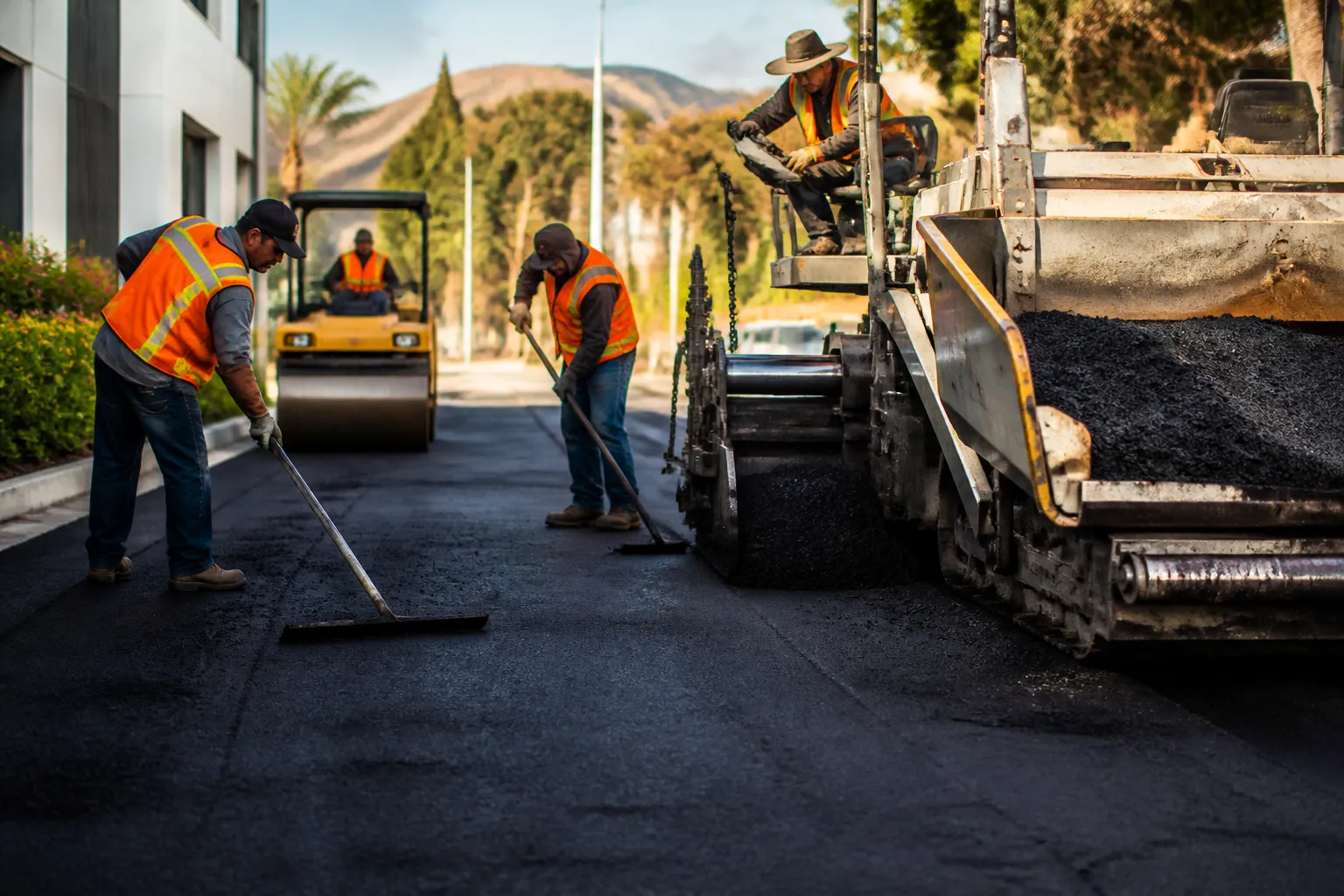
Van Nuys Asphalt Paving provides practical asphalt solutions for property owners throughout Van Nuys and nearby communities.
Asphalt paving costs are rarely a single fixed number. A driveway, parking area, or access lane can look simple from the street, but the condition below the surface, the layout of the property, drainage, removal needs, and the amount of preparation involved all affect the scope. For Van Nuys property owners, the most useful starting point is understanding what the project needs before comparing proposals.
This guide explains the factors that commonly influence asphalt paving cost in Van Nuys, California. It is intended to help homeowners and property managers ask better questions and understand why one paving project may require more preparation than another.
Start With the Condition of the Existing Pavement
The current condition of a driveway or parking area is one of the biggest factors in a paving project. Pavement that is worn but still has a stable foundation may be suitable for resurfacing or an overlay. Pavement with broad alligator cracking, repeated potholes, low spots, or soft areas can indicate that the structure below the asphalt needs more attention.
Simply placing new asphalt over a failed surface can leave the original problem in place. A site review helps determine whether the work should focus on a new surface layer, targeted repairs, removal of failed pavement, or rebuilding the affected area.
Project Size and Layout Matter
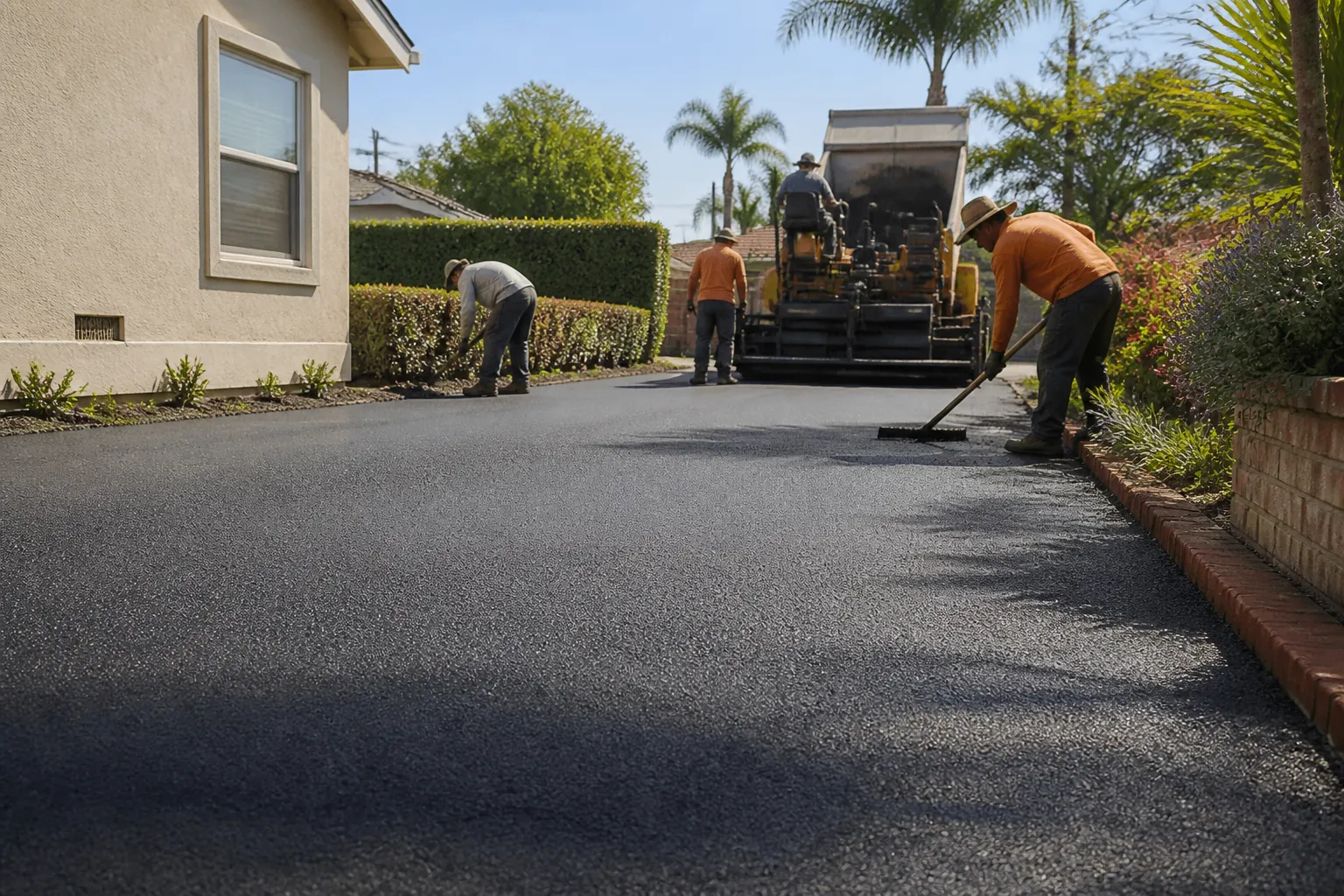
Square footage is important, but it is not the only measurement that shapes the work. A large, open parking area may be easier to prepare than a smaller driveway with narrow access, several tight turns, gates, garage transitions, and landscaping along the edges. The amount of detail work needed around those features can affect the paving plan.
- Driveway width, length, and turning areas
- Parking lot drive aisles and traffic flow
- Access at gates, garages, curbs, and sidewalks
- Edges next to landscaping, walls, or existing concrete
- Space available for equipment and material delivery
A clear layout helps determine how the project can be staged and where clean transitions are needed.
Preparation Often Determines the Scope
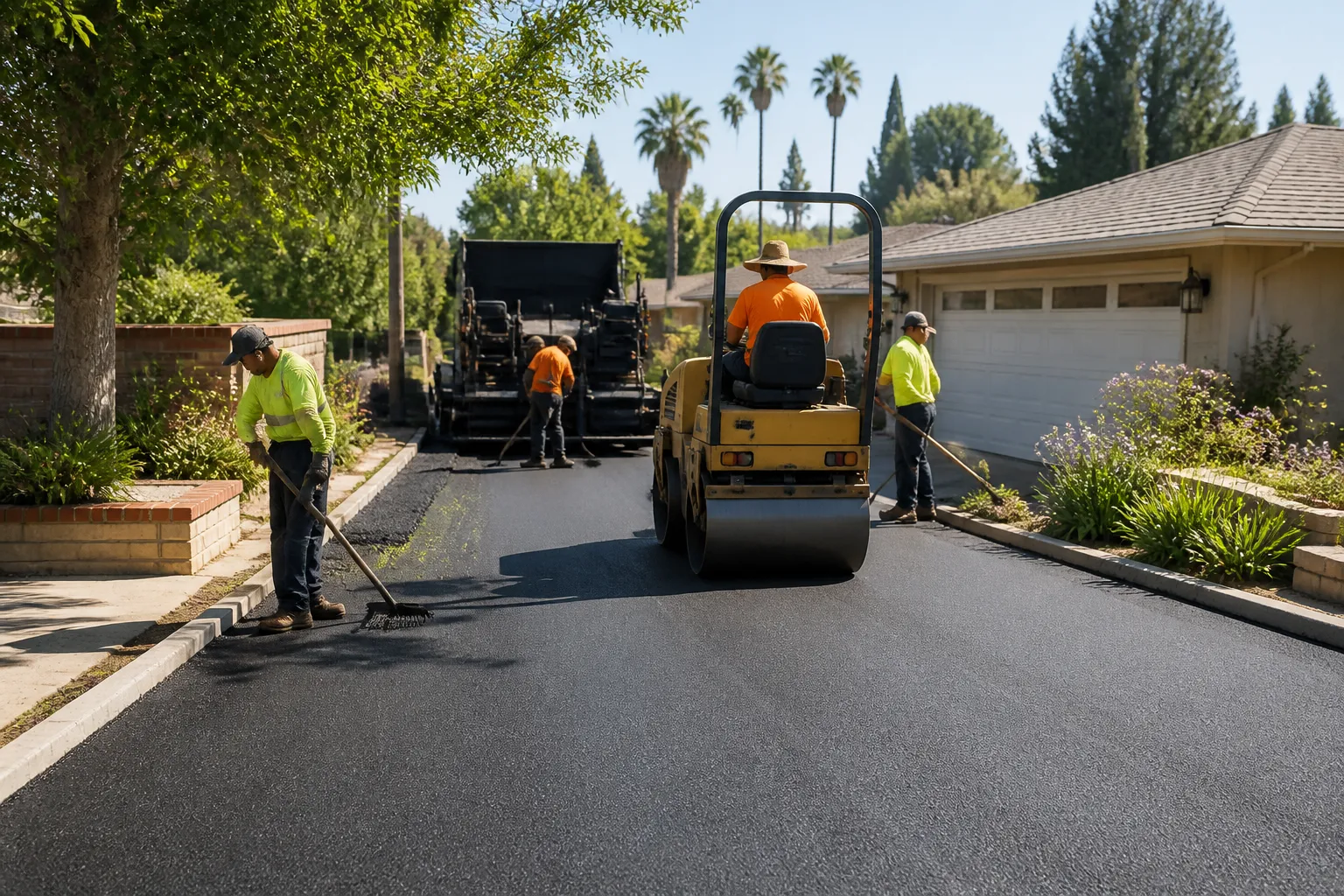
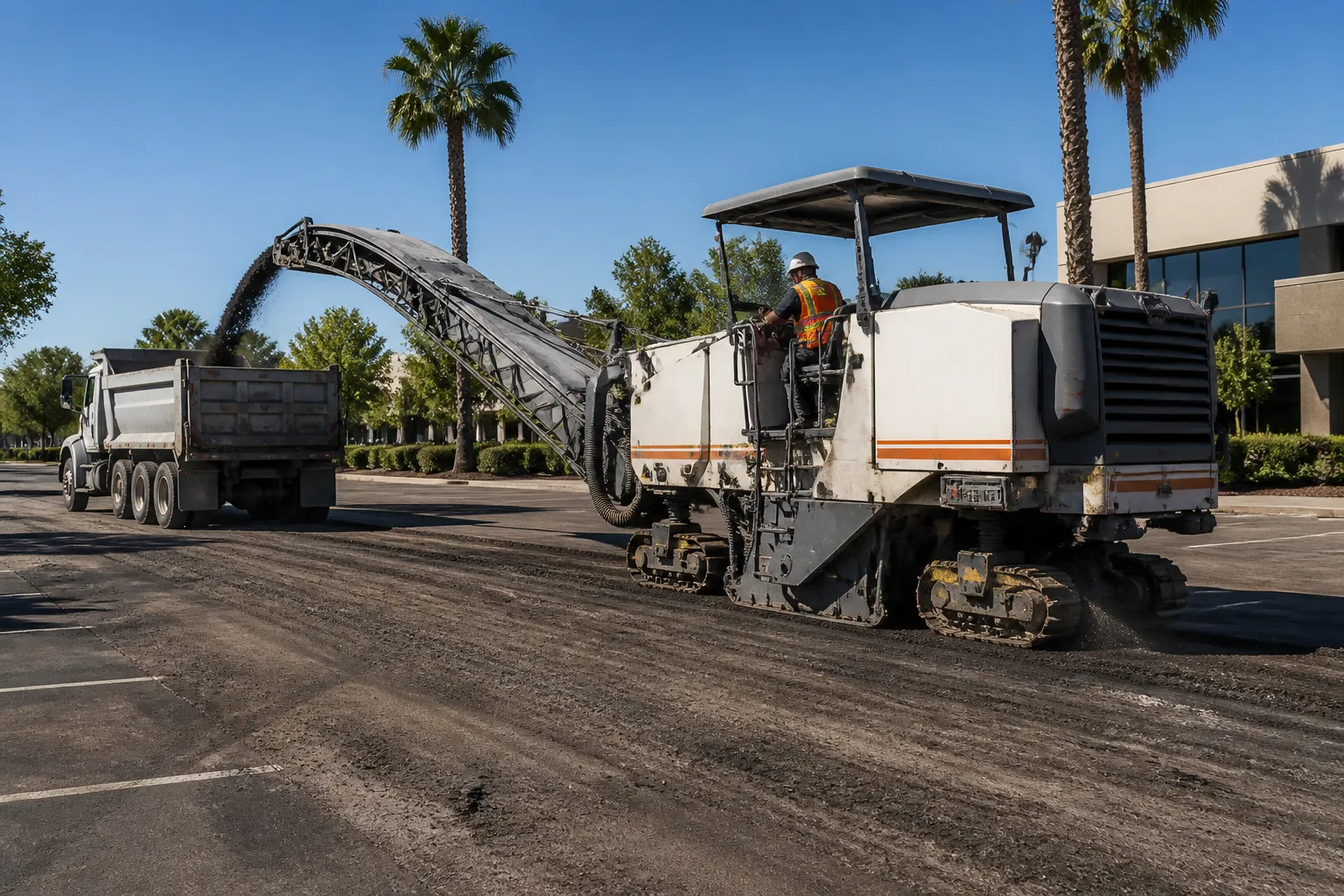
Good asphalt needs a suitable surface and stable support. Preparation may include removing broken asphalt, correcting selected areas, addressing the base, adjusting grades, or milling an existing surface to create room for a new layer. The correct approach depends on the property rather than a generic checklist.
For example, a driveway with shallow surface wear may need a different level of preparation than one with settled sections that collect water. A parking lot with localized failures may be repaired in those areas before resurfacing, while a lot with widespread deterioration may need a broader plan.
Drainage and Finished Grade
Water is an important consideration in asphalt work. When water remains in low areas, enters open cracks, or moves toward a garage or building entry, it can contribute to ongoing surface damage. Before new pavement is installed, the existing grade and drainage pattern should be reviewed.
Drainage planning may affect transitions at the street, curbs, walkways, garage entries, and adjoining pavement. The goal is not just a dark new surface. It is a surface that works with the property and moves water in a practical direction.
Removal, Milling, and Resurfacing Are Different Approaches
Property owners may hear several paving terms during a site review. Each describes a different kind of work and can be appropriate in different conditions.
- Asphalt repair.
Targeted work for failed areas, potholes, broken edges, or isolated damage where surrounding pavement remains stable.
- Milling.
Removal of a controlled upper layer of existing asphalt, often used to manage height before an overlay or resurfacing project.
- Resurfacing or overlay.
A new asphalt layer placed over a prepared existing surface when the pavement and base remain suitable.
- Removal and replacement.
A broader solution used when pavement failure or base problems make a surface-only approach impractical.
The best approach depends on the pavement condition, access requirements, and the expected use of the area.
Traffic and Intended Use
A driveway used by household vehicles has different demands than a commercial parking lot, delivery route, or service lane. Repeated turning, heavier vehicles, loading activity, and frequent stops can place more stress on selected areas. Knowing how the pavement will be used helps guide the preparation and paving plan.
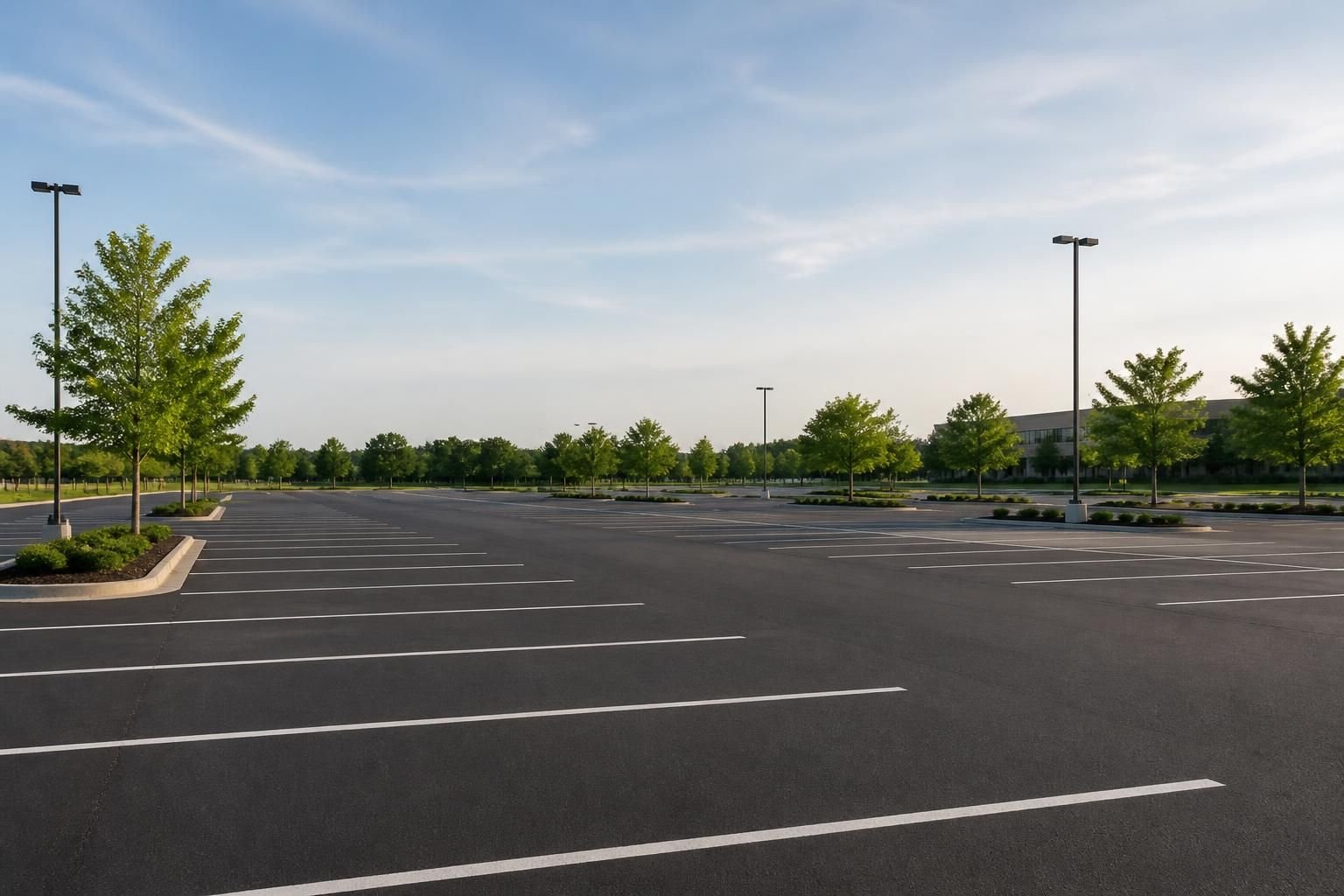
For commercial properties, it is also helpful to identify high-wear areas such as entrances, loading zones, drive aisles, and dumpster approaches. Addressing those conditions as part of the scope can help create a more practical finished surface.
Related Work Can Affect the Project
Paving is often connected to other property needs. Striping may be required after a parking lot surface is renewed. Crack filling or patching may be needed before an overlay. A damaged section near a curb or entry may require a different transition plan than the rest of the paved area.
When comparing paving proposals, ask what work is included before new asphalt is placed, how the finished surface will connect to adjacent areas, and whether any related maintenance or markings are part of the project. These details make it easier to compare scopes fairly.
How to Prepare for a Site Review
Before requesting a paving assessment, take note of where damage appears, whether water remains after rain, and which vehicles use the surface. Photos of recurring potholes, low spots, or broken edges can also be useful. If the property has access restrictions, gates, tenant parking, or delivery schedules, share those details early.
A clear conversation about the condition of the pavement and your goals helps identify whether you are looking for a repair, resurfacing plan, or more complete replacement.
Final Thoughts
The most reliable way to understand an asphalt paving project is to start with the actual condition of the property. Project size matters, but so do preparation, drainage, access, traffic, and the condition below the surface. A practical plan addresses those factors before new asphalt is installed.
If you are considering asphalt paving in Van Nuys, Van Nuys Asphalt Paving can review your driveway, parking area, or access route and explain the options that fit the site. Call +17472479560 to discuss the condition of your pavement and the next practical step.