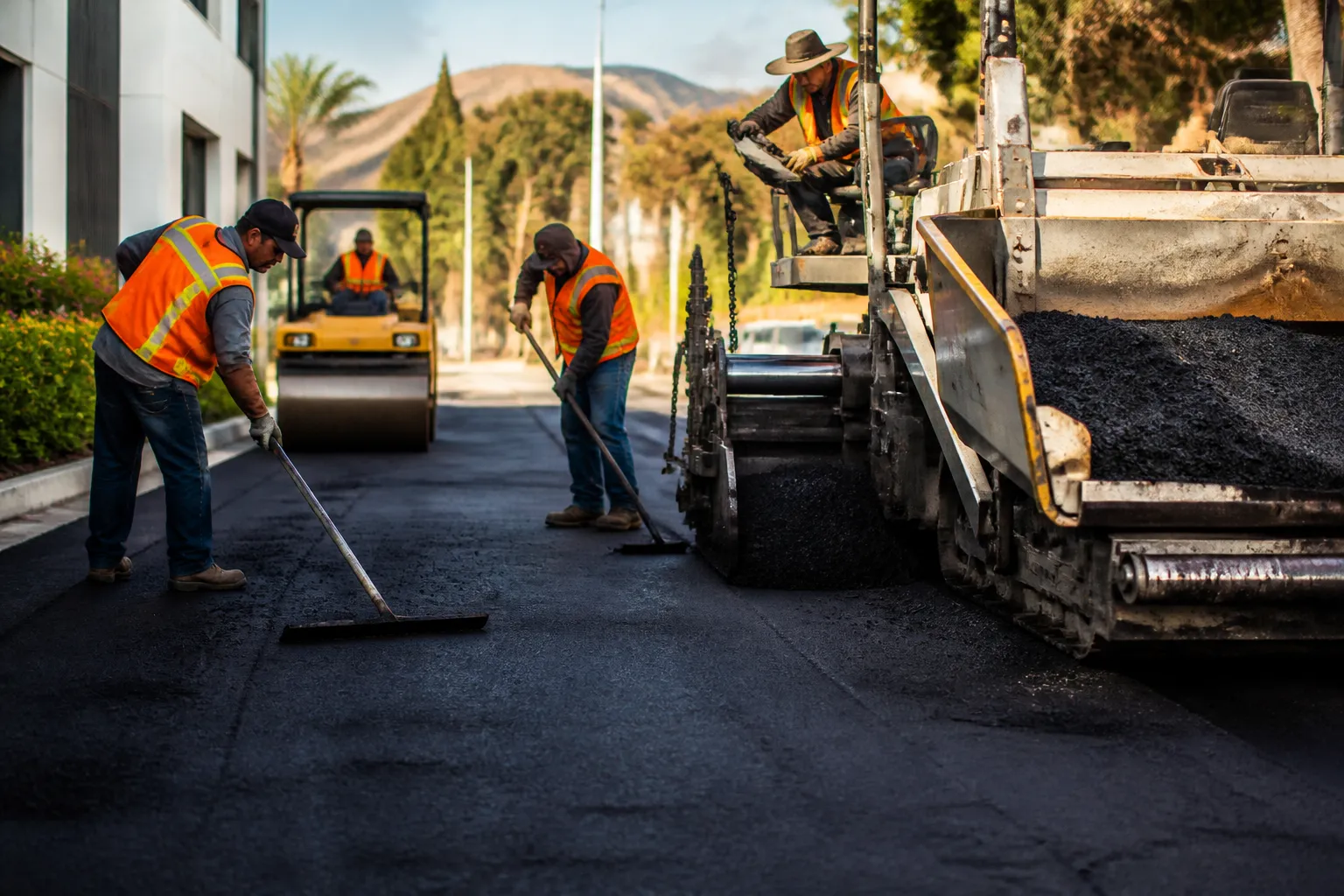
Van Nuys Asphalt Paving provides practical asphalt solutions for property owners throughout Van Nuys and nearby communities.
Van Nuys Asphalt Paving paves private roads and access lanes with a base built for the loads they carry. Private roads, access lanes, and shared paved routes need a surface that supports regular traffic and gives drivers a clear route through the property. Potholes, ruts, loose edges, and poor drainage can make an access route harder to use.
Van Nuys Asphalt Paving provides road paving in Van Nuys for private access routes, drive lanes, and paved roadways. We assess the surface, traffic demands, drainage, and connections to surrounding pavement before recommending a paving approach.
Route width, vehicle types, turning points, slopes, drainage paths, and base condition can all affect the finished work. We plan around the route’s actual use.
We look at pavement condition, water movement, areas where vehicles turn or stop, and transitions at entries. This helps determine whether targeted repair, resurfacing, or new paving is appropriate.
Service vehicles and repeated turning can concentrate wear, so the paving plan should reflect the real demands on the route.
Water that runs across or sits on a roadway can contribute to deterioration. Existing grades and low areas are reviewed before paving.
We identify failures, access needs, and drainage concerns.
We explain preparation or repairs needed before paving.
The area is readied for new pavement and clean transitions.
Asphalt is installed with attention to grade and use.
We check the finished route and related needs.
Isolated failures may be patched when surrounding pavement is stable. An overlay can renew a worn route with a sound foundation. Extensive cracking, settlement, or base failure may call for removal and replacement.
We explain those options in relation to the route, rather than recommending a single approach for every property.
Entries, gate approaches, parking connections, drainage swales, and locations where vehicles turn repeatedly can all need special attention. Reviewing these details before paving helps the completed route fit the property and makes future maintenance easier to plan.
A lane used by residents, deliveries, service vehicles, or frequent visitors may require a different preparation plan than a lightly used access road. Matching the work to actual traffic helps protect the finished pavement.
We discuss entrances, gates, parking, and traffic flow before work begins. For larger routes, staged work may be useful where the property layout allows. Identifying users who need access and clearing equipment or vehicles from the work area helps the paving process run more smoothly.
Address open cracks, low spots, broken edges, and drainage issues early. Crack filling, patching, and surface maintenance can help limit further wear and make it easier to plan ahead for larger work.
A private road or access lane needs more than a driveway does. It has to carry delivery trucks, trash trucks, and sometimes fire equipment, so the base and asphalt need to be thick enough for those loads.
Width. Two cars should be able to pass, or there should be pull-outs.
Crown and drainage. The center should sit a little higher than the edges so rain runs off. Ditches, swales, or drains carry it away. Standing water is the main reason private roads break down early.
Edges. Unsupported edges crumble. A firm shoulder or curb helps the asphalt keep its shape.
If several owners share a road, agree in writing on who pays for upkeep and how often it gets sealcoated and patched. A simple plan avoids arguments later.
Road work buys asphalt in bulk, which pushes the price per ton down. The low bid on a 2025 Caltrans job on US 101 in Los Angeles priced rubberized asphalt at $189.30 per ton for 34,000 tons. A Caltrans parking lot job in Los Angeles that same spring needed only 650 tons, and its low bid was $261 per ton. Most private roads land between those two, based on length and width.
Road length, width, grade, and drainage ditches or culverts set the total.
Private access routes, shared lanes, and drive roads.
Yes, when localized repair suits the condition.
When the base remains stable and the surface is worn.
Yes, water movement and grades are reviewed.
We review connections to entries and adjoining pavement.
Prompt repairs and drainage attention help protect it.
Contact Van Nuys Asphalt Paving at +17472479560 to discuss road paving in Van Nuys.
Get Started
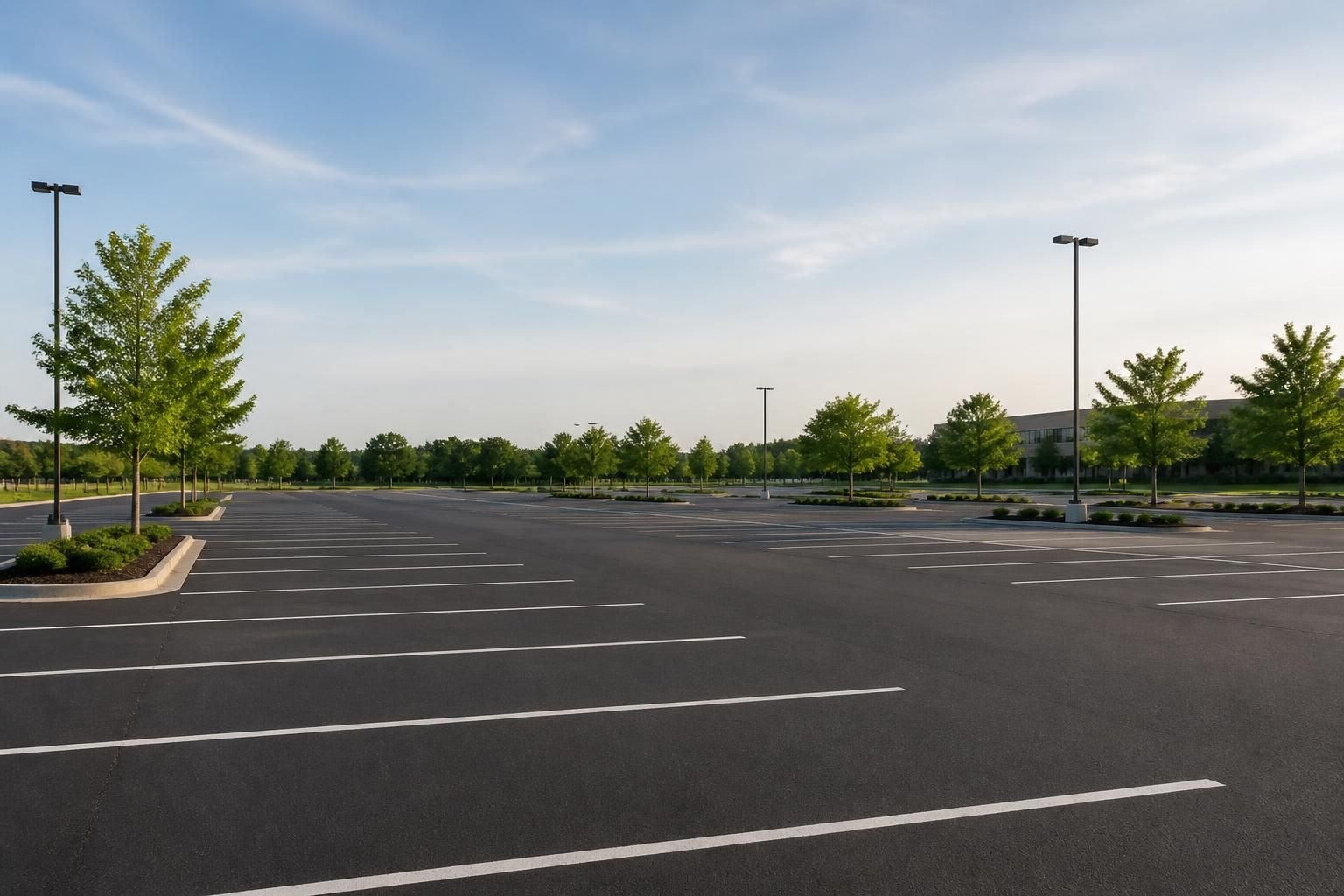
Tell us about your driveway, parking lot, or pavement concern. We will help you choose the right approach based on the surface condition, traffic level, and budget.