Van Nuys Asphalt Paving provides practical asphalt solutions for property owners throughout Van Nuys and nearby communities.
An asphalt overlay is a new layer of asphalt installed over an existing paved surface after the existing pavement has been properly evaluated and prepared. It can give a worn driveway or parking lot a smoother appearance and renewed driving surface without removing every layer of old asphalt. However, an overlay is not the right answer for every pavement problem. Its success depends on the condition of the asphalt and base below it.
For property owners in Van Nuys, an overlay can be a practical middle ground between minor maintenance and full reconstruction. The key is determining whether the existing pavement is still stable enough to support new asphalt. Covering serious failures without correcting them may only hide the symptoms for a short time.
What an asphalt overlay includes
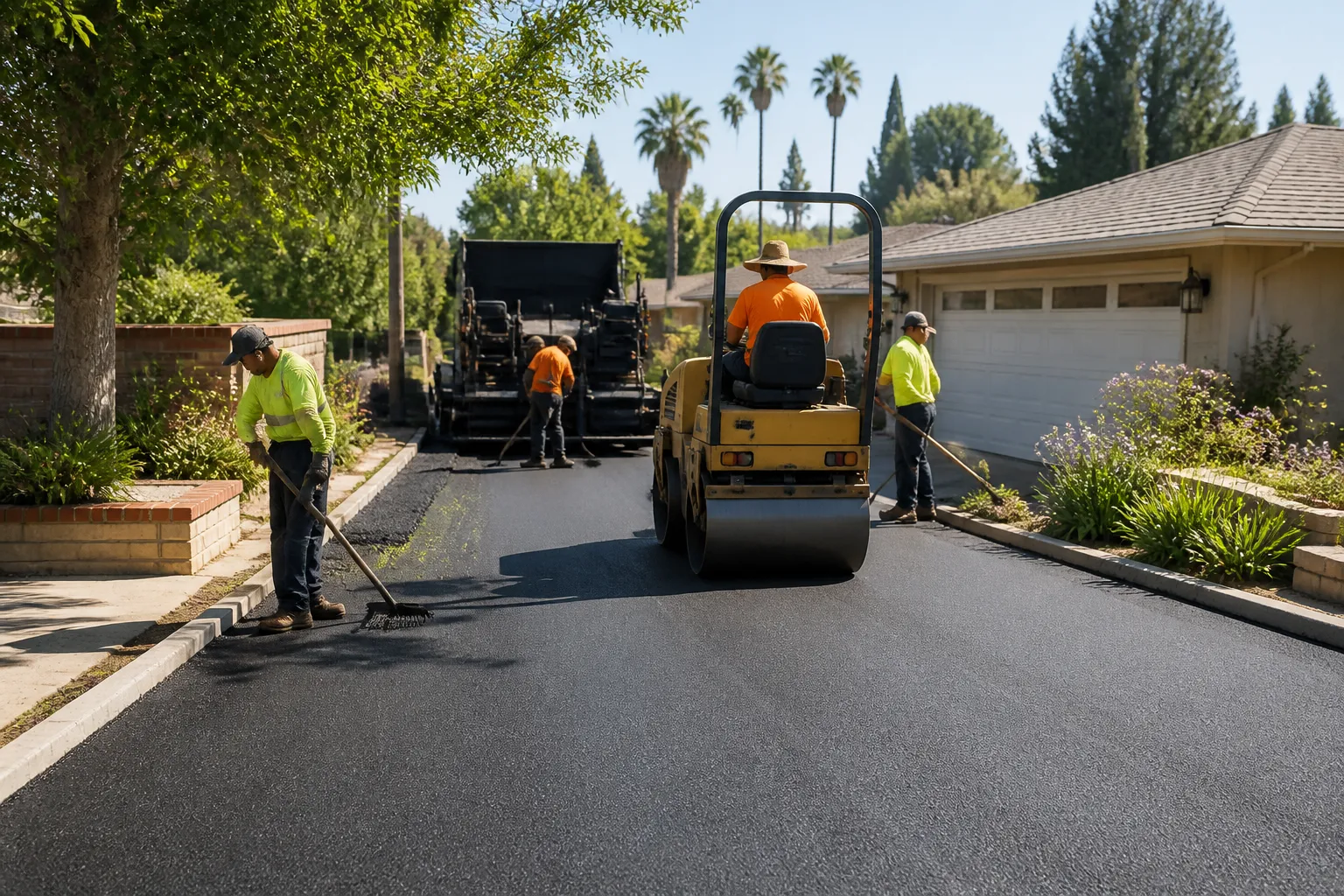
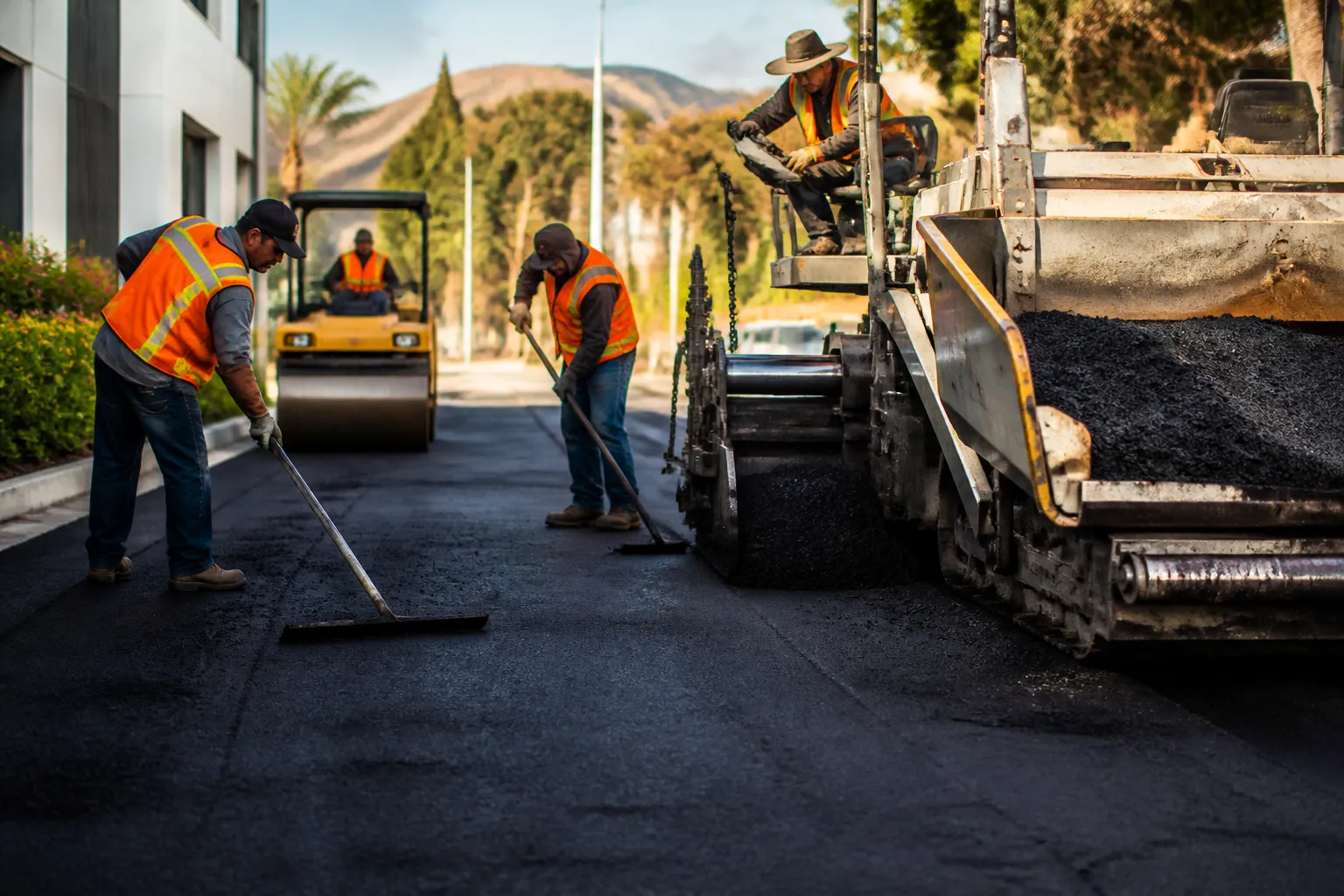
During an overlay project, a contractor installs new hot-mix asphalt on top of a prepared existing surface. The process often begins with cleaning, evaluating cracks and failed areas, making localized repairs, and ensuring water can drain as intended. A bonding layer, commonly called tack coat, helps the new asphalt adhere to the surface below. The new material is then placed, leveled, and compacted to form the finished layer.
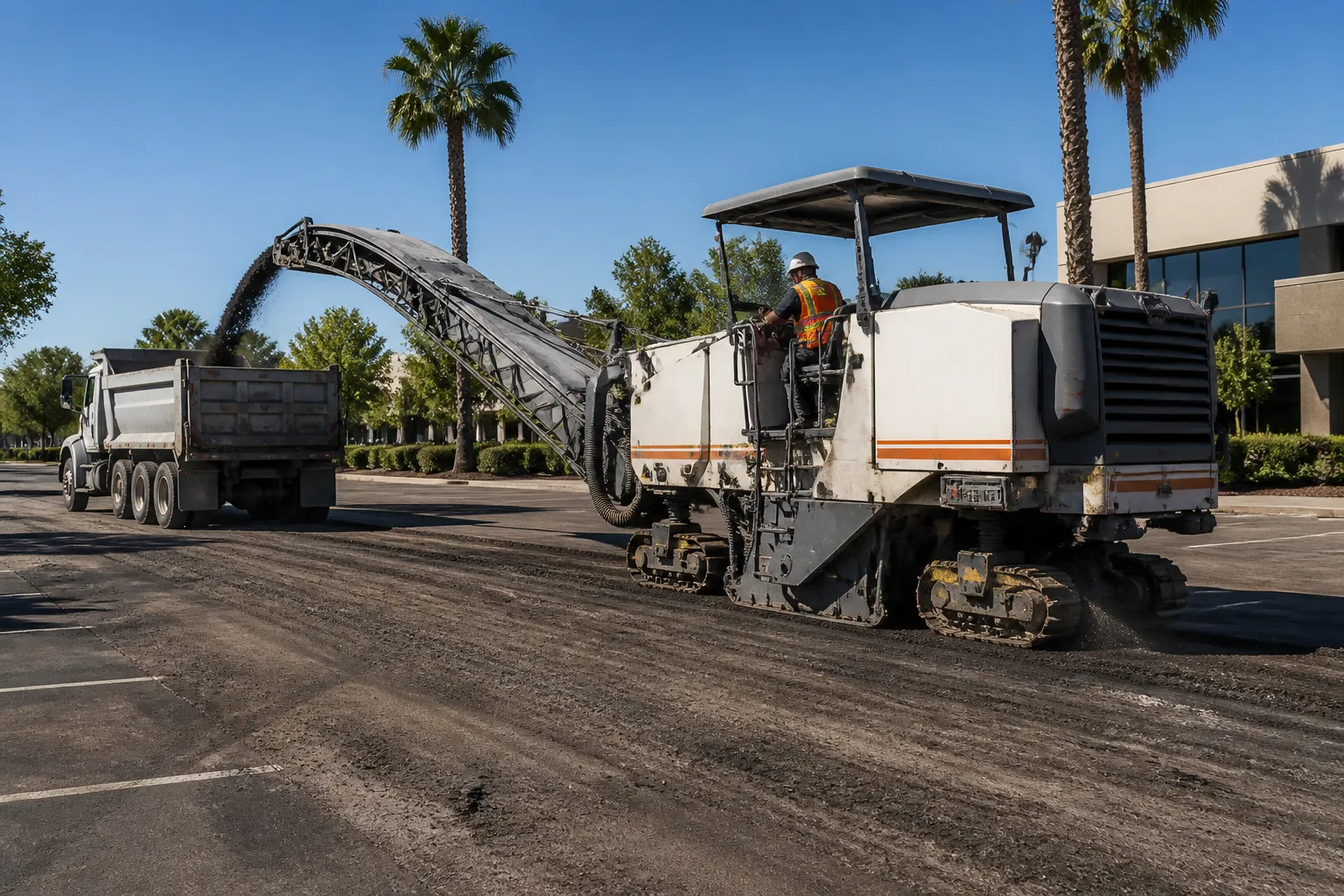
In some projects, milling is included before the overlay. Milling removes a controlled depth of old asphalt to make room for the new layer and preserve elevations at curbs, doorways, sidewalks, or drainage inlets. Whether milling is necessary depends on the site. An overlay does not always require it, but adding thickness without checking transitions and drainage can create problems.
When an overlay can be a good choice
An asphalt overlay may be appropriate when the pavement has surface aging but the supporting structure remains sound. Common examples include faded pavement, minor to moderate cracking that has been addressed, worn texture, small areas of unevenness, or a driveway and parking lot that needs a renewed finish. The pavement should feel firm under normal traffic and should not have widespread soft areas or extensive breakup.
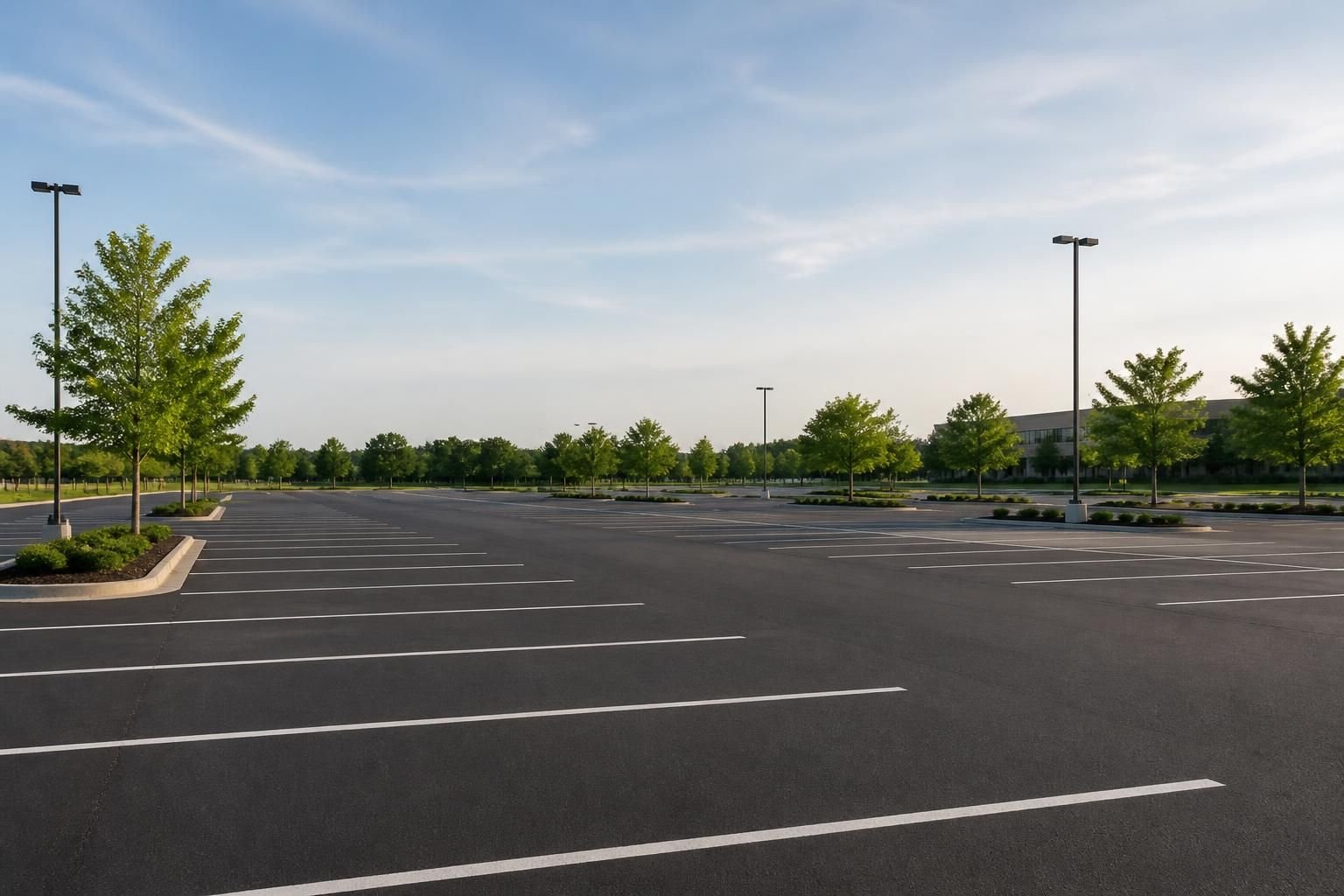
It can also be useful when a property needs a more uniform surface for appearance, driving comfort, or refreshed striping. A commercial parking area may benefit from an overlay after suitable repairs and drainage work are completed. A residential driveway may benefit when the surface is worn but the base has not failed.
When an overlay is not the right choice
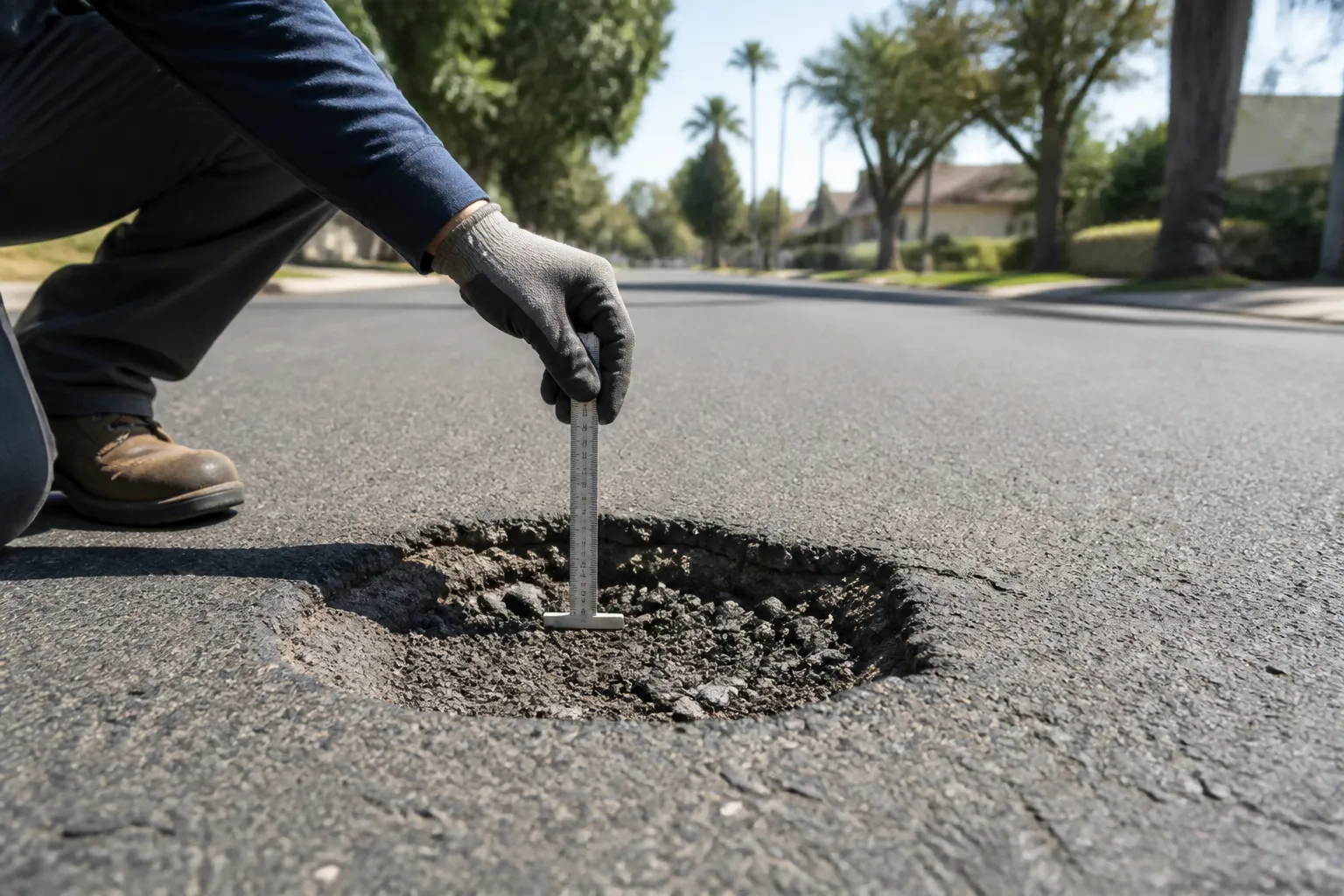
An overlay should not be treated as a way to cover serious structural issues. Widespread alligator cracking, deep ruts, numerous recurring potholes, major depressions, and areas that feel soft can indicate base failure. If water is trapped beneath the pavement or the soil and base are unstable, the movement below can cause the new surface to crack as well.
Drainage problems also need to be resolved before new asphalt is placed. Water that pools along a building, crosses a driveway repeatedly, or collects near a low area can undermine the investment in an overlay. A surface that is already too high relative to garage thresholds, curbs, or catch basins may need milling, regrading, or a different repair plan rather than additional asphalt thickness.
Signs your pavement should be evaluated
- The asphalt has faded and looks dry, but it remains firm and generally intact.
- Cracks are limited or have been repaired, rather than forming widespread interconnected patterns.
- There are isolated failed areas that can be patched before the larger surface is renewed.
- Water drains away from the pavement without persistent puddles.
- The existing height can accept a new layer without creating problematic edges or transitions.
- Traffic needs are consistent with the condition and thickness of the proposed overlay.
These are starting points, not a substitute for examining the site. Pavement age alone does not determine whether an overlay will work. A younger surface can fail if its base or drainage is poor, while an older surface may remain a candidate if it has been maintained and supported properly.
Benefits of a properly planned overlay
When conditions are suitable, an overlay can renew the usable surface with less removal than a full reconstruction. It can improve smoothness, restore a more consistent appearance, and provide a fresh surface for parking layouts or driveway use. The project can also address selected low areas and worn patches as part of the preparation work, depending on the scope.
Importantly, an overlay is an opportunity to look at the whole pavement system. Edges, drainage paths, transitions, cracks, and traffic patterns should be considered together. This planning helps make sure the new surface fits the property rather than simply adding material over existing problems.
Overlay versus sealcoating and replacement
Sealcoating is a protective maintenance coating for asphalt that is in generally sound condition. It does not add structural thickness or repair failed pavement. An overlay adds a new asphalt layer and is a more substantial renewal option when the surface is worn but the structure below remains serviceable.
Full removal and replacement is generally considered when the pavement has major base failure, extensive deterioration, drainage-related damage, or repeated repairs that no longer provide a stable result. The right option comes from the condition of the site, not from a one-size-fits-all schedule. A clear assessment should explain why the chosen approach is appropriate.
How to prepare for an overlay project
Before work begins, plan vehicle access, parking, deliveries, gates, and any areas that must remain open. Identify drainage structures, irrigation heads, low curbs, and concrete transitions. If the property is a commercial lot, determine when striping, accessibility markings, and traffic control can be completed after the asphalt has cured as required.
It is also helpful to ask how existing cracks, potholes, and weak sections will be treated. A scope that identifies preparation and repair work provides a more useful picture than a description that only mentions a new surface layer.
Get a condition-based recommendation
Van Nuys Asphalt Paving can evaluate your asphalt driveway or parking area and explain whether an overlay, milling and resurfacing, targeted repairs, or replacement best fits the observed conditions. We consider the pavement surface, base stability, drainage, traffic, and elevation changes before recommending the next sensible step. Call +1 (747) 247-9560 to discuss your project.