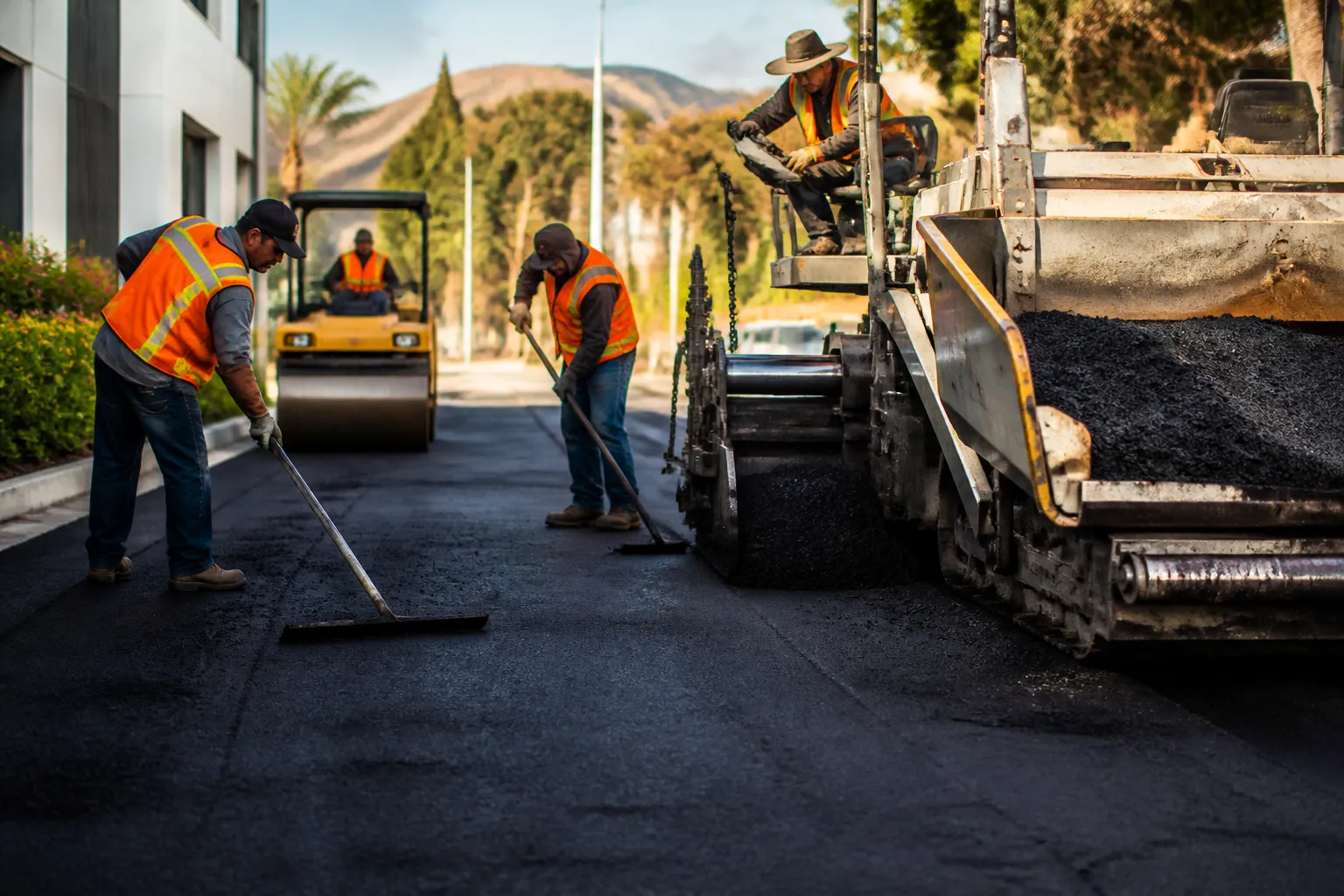
Van Nuys Asphalt Paving provides practical asphalt solutions for property owners throughout Van Nuys and nearby communities.
When a driveway or parking lot is showing cracks, potholes, fading, or uneven areas, one of the first questions property owners ask is simple: how long will asphalt paving take? The answer depends on the size of the surface, the condition of the base, the scope of preparation, and the weather. For many residential driveways in Van Nuys, the active paving work can be completed in a day. Larger projects and repairs that require deeper base work naturally take longer.
It also helps to separate the installation schedule from the time your new pavement needs before regular use. Fresh asphalt may look finished quickly, but it needs time to cool, cure, and settle under normal temperatures. Planning around those stages helps you protect the surface from early marks and avoid surprises.
A typical asphalt paving timeline
A straightforward paving project generally follows a sequence: site review, preparation, base repair or installation, asphalt placement, compaction, and cleanup. A contractor will first assess drainage, traffic patterns, access, existing pavement condition, and the edge restraints around the area. That assessment determines whether the project is a simple overlay, a localized repair, or a full replacement.
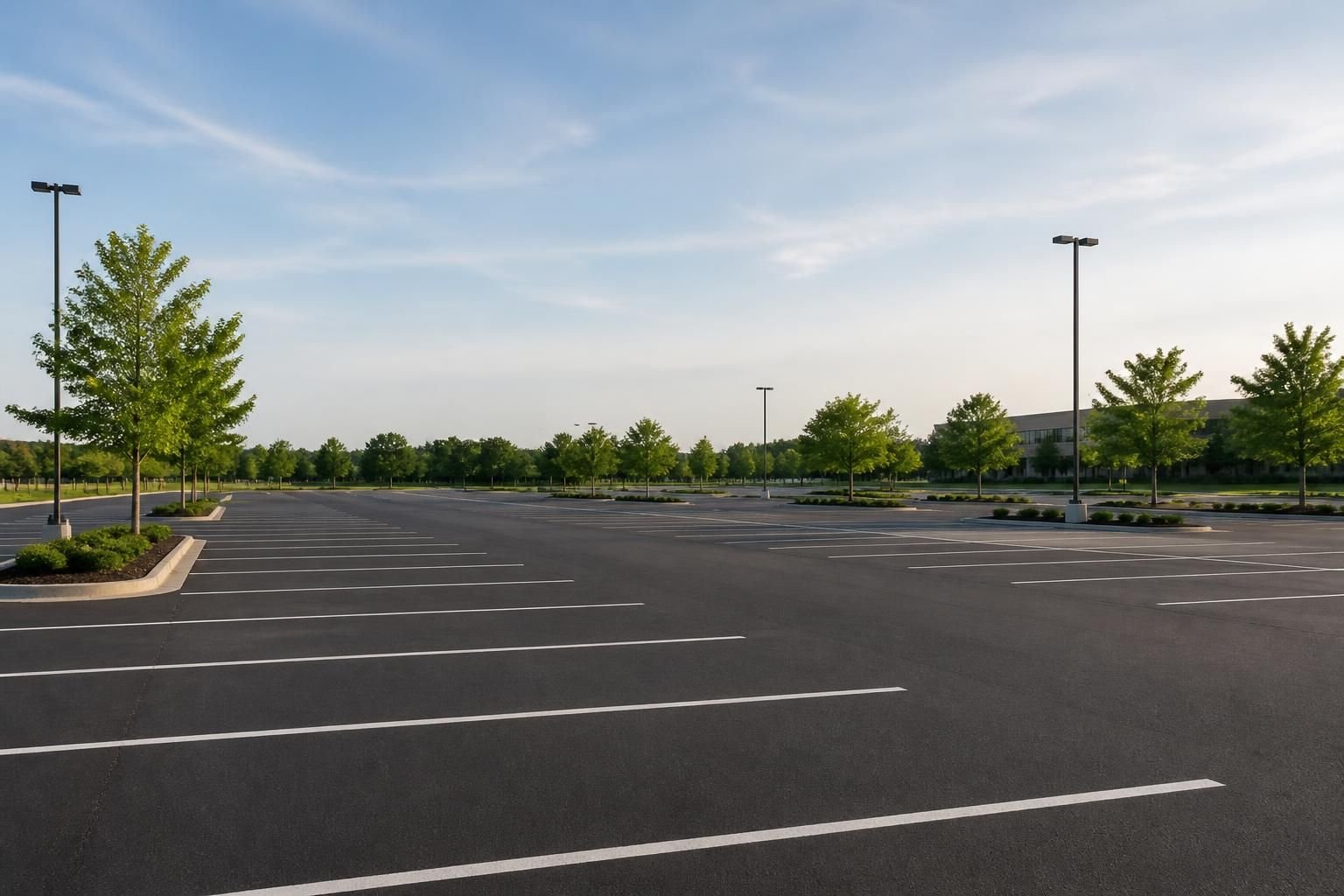
For a small residential driveway with a stable base, removal and paving may be completed within one working day. If the old pavement must be removed, the base needs rebuilding, or grades need adjustment to improve drainage, allow additional time. Commercial parking lots are often completed in phases so tenants, customers, or deliveries can retain access to part of the property.
What happens before the paving crew arrives
Preparation is often the part of the job that has the biggest effect on both schedule and pavement life. A smooth black surface cannot correct a weak or saturated foundation beneath it. Before asphalt is placed, the work area may need clearing, demolition, excavation, grading, and compaction.
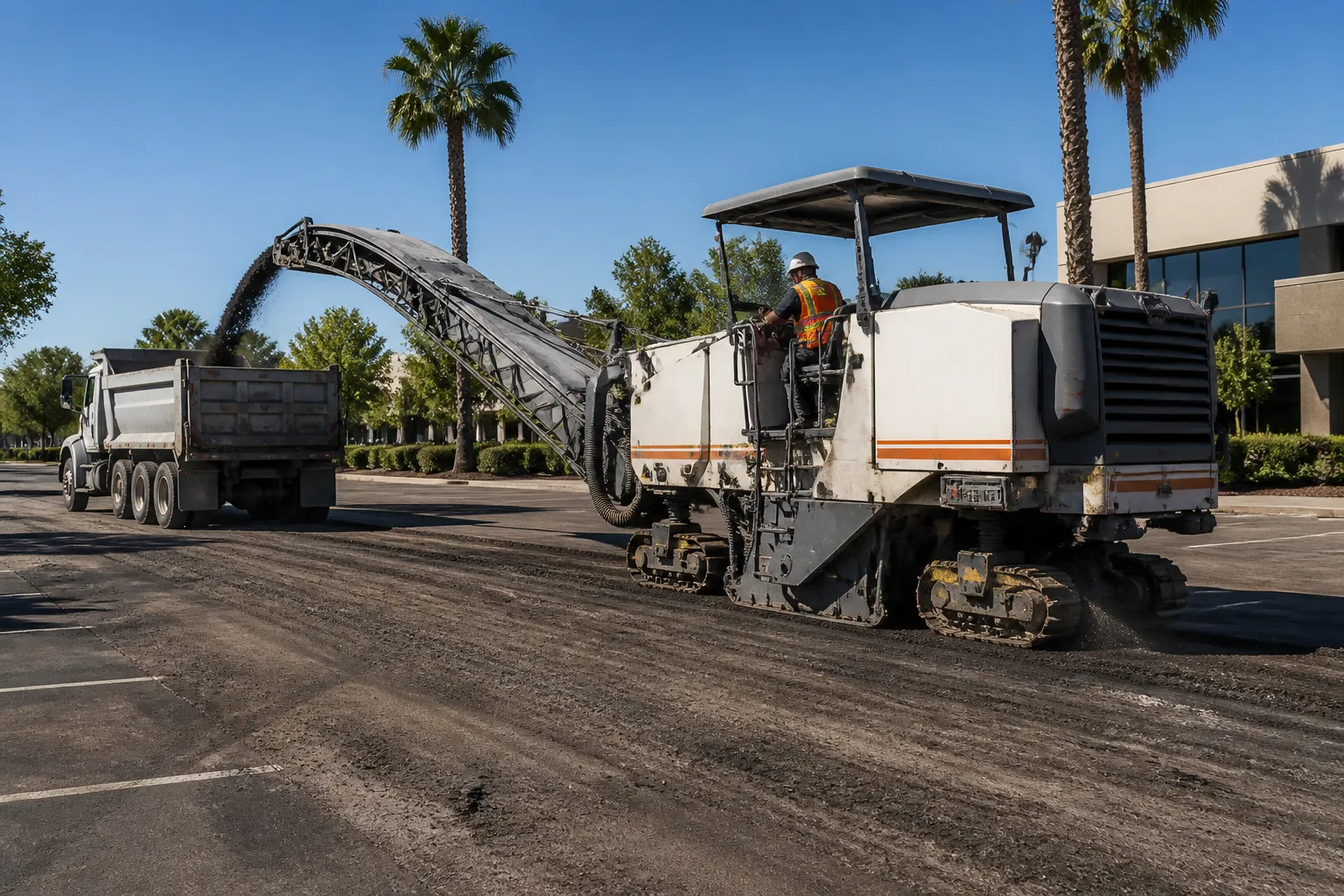
For an overlay, crews may clean the existing pavement, address isolated failures, fill cracks as appropriate, and create clean transitions at garages, curbs, or walkways. For full replacement, crews remove deteriorated material and inspect the aggregate base. Soft spots, standing water, and poor drainage need attention before the new asphalt goes down. This can add time, but it is usually preferable to paving over a problem that will reappear at the surface.
How long does installation take?
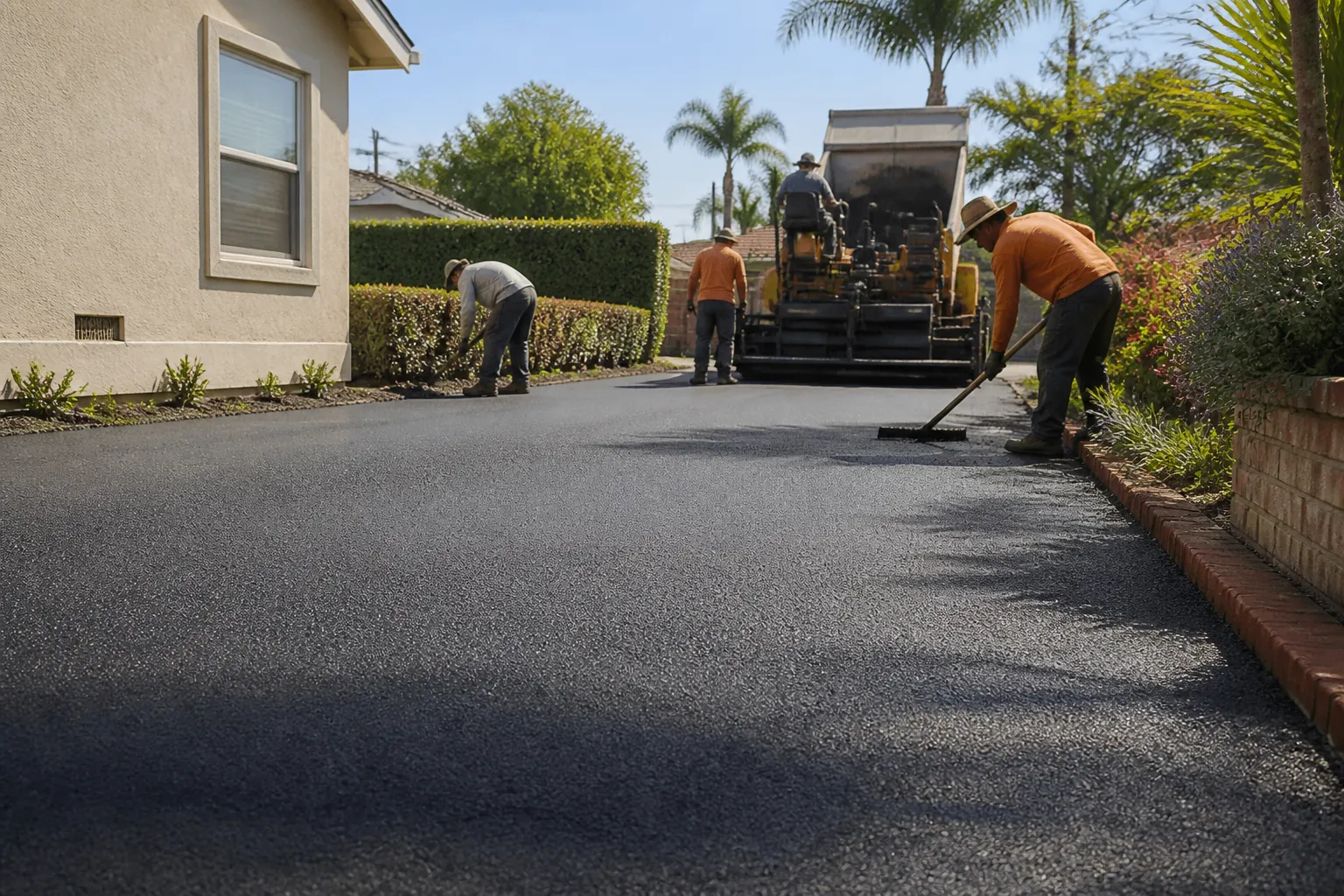
Once the area is prepared and the asphalt mix arrives, installation moves quickly. Asphalt must be placed and compacted while it is at the right temperature, so the paving crew works in a coordinated sequence. Material is spread to the planned thickness, shaped for drainage, and compacted with rollers. Edges, joints, and transitions are then checked before the site is cleaned.
On a typical driveway, the paving and compaction portion may take several hours. A larger parking lot can take one or more days depending on square footage, truck access, layout, striping needs, and whether the work is phased. Milling an existing surface, repairing potholes, or rebuilding base sections can extend the work schedule beyond the actual paving day.
When can you walk, drive, or park on new asphalt?
New asphalt needs time to cool and begin hardening before it handles traffic well. Walking is often possible after the surface has cooled, but your paving contractor should provide the specific guidance for your project. In warm Van Nuys conditions, asphalt can remain softer for longer than many people expect, especially in direct afternoon sun.
For vehicle traffic, a short waiting period is commonly recommended after installation. Avoid turning the steering wheel while stopped, parking very heavy vehicles in one spot, or placing trailers, dumpsters, and sharp kickstands on fresh pavement until the contractor says the surface is ready. Asphalt continues to cure over time, so gentle use during the early period makes a difference.
If you have a busy driveway or a commercial lot, ask about access before work begins. Moving vehicles, arranging alternate parking, and scheduling deliveries around the paving window can make the process much easier for everyone.
Weather and temperature can change the schedule
Southern California weather can be favorable for asphalt work, but temperature still matters. Asphalt needs suitable conditions for placement and compaction. Rain can delay work because moisture affects the prepared base and the finished surface. Extreme heat can also affect how fresh asphalt behaves, particularly when a surface is exposed to full sun soon after placement.
A reliable schedule includes some flexibility. If conditions are not right, postponing the asphalt placement is often the better choice than rushing a finish. Property owners can help by keeping irrigation off near the work area, moving vehicles as requested, and making sure gates or access points are available on paving day.
Overlay, repair, or replacement: which takes longer?
An asphalt overlay is usually the fastest option when the existing pavement has a solid foundation and damage is mainly at the surface. The crew can prepare the existing asphalt, make needed localized repairs, and install a new layer. It is not the right solution for every property, though. Extensive alligator cracking, recurring potholes, drainage problems, and widespread base failure may point to deeper repair or replacement.
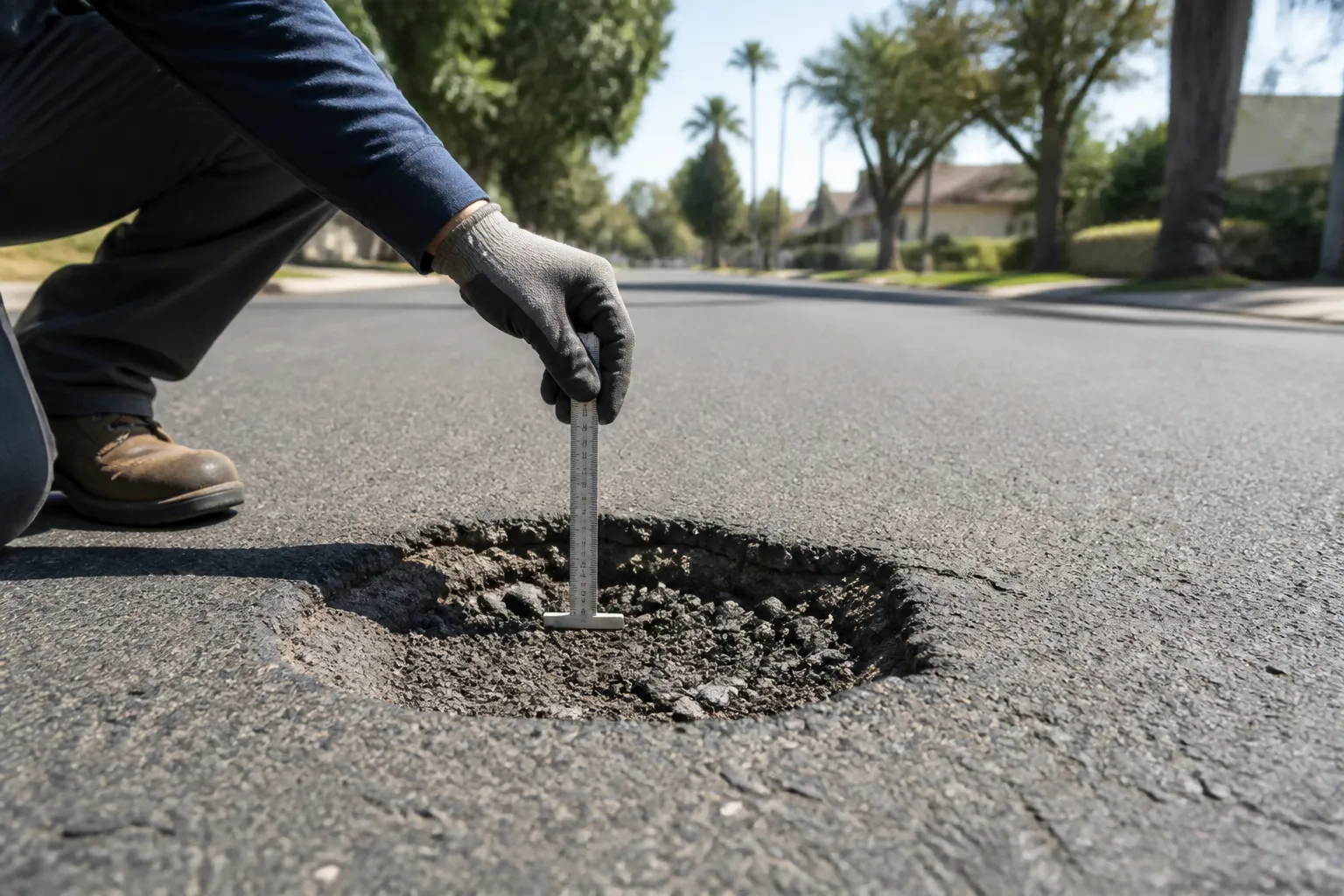
Localized crack filling and pothole repair can often be scheduled in shorter work windows. Full-depth repairs take longer because the damaged asphalt and base must be removed and rebuilt. A professional site evaluation helps match the timeline to the actual condition of the pavement instead of choosing a faster option that may not last.
How to plan for a smoother paving day
- Ask which areas will be inaccessible and for how long.
- Move cars, bins, sports equipment, and loose items before crews arrive.
- Arrange alternate parking if your driveway will be closed.
- Keep sprinklers off around the project area.
- Tell the contractor about drainage concerns, delivery schedules, gates, or shared access.
- Wait for the recommended traffic window before using the new pavement.
The most accurate timeline comes from the condition of your specific driveway or parking lot. Van Nuys Asphalt Paving can review the pavement, explain the preparation involved, and help you plan access around the work. Whether you need a new asphalt surface, repairs, resurfacing, or maintenance, a clear scope and realistic schedule are the best starting point.