Van Nuys Asphalt Paving provides practical asphalt solutions for property owners throughout Van Nuys and nearby communities.
When asphalt begins to look worn, property owners often hear two similar-sounding options: milling and resurfacing. They are related, but they are not the same thing. Both can improve the driving surface without rebuilding every layer of pavement. The right choice depends on how deep the damage goes, whether the existing pavement has the proper height and drainage, and whether the base below the asphalt is still stable.
For a Van Nuys driveway or parking lot, understanding the difference helps you ask better questions during an evaluation. It also helps prevent a surface-level treatment from being used where base repairs or more extensive reconstruction are needed.
What is asphalt milling?
Asphalt milling is the controlled removal of an existing asphalt layer with specialized equipment. A milling machine uses a rotating drum with teeth to grind off a set depth of pavement. The removed material is collected for recycling or reuse, leaving a textured surface that can be repaired, regraded, or prepared for a new asphalt layer.
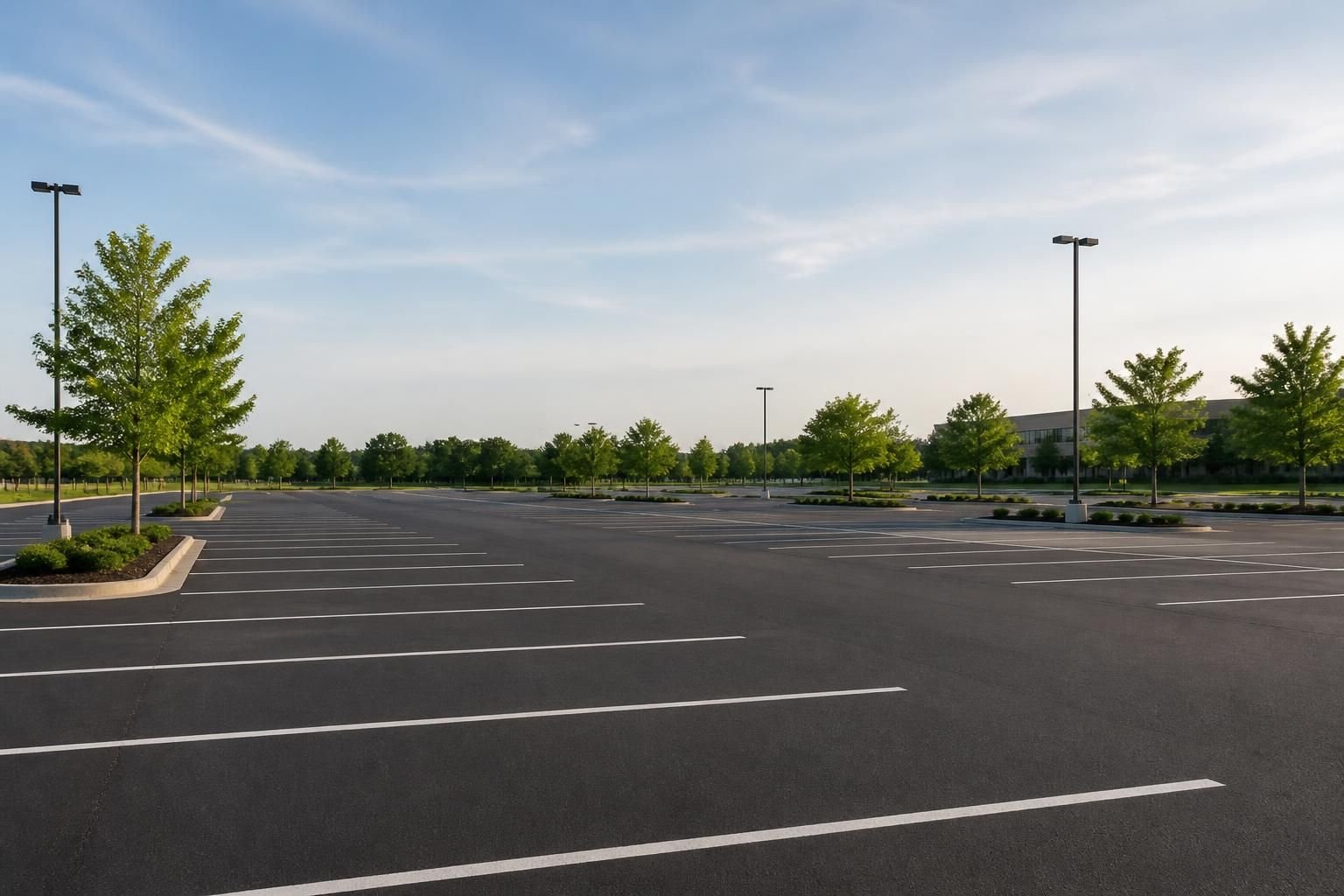
Milling is often used when the pavement needs to maintain a specific elevation. For example, a parking lot surface may need to align with curbs, door thresholds, drainage inlets, loading areas, or transitions to sidewalks. Adding new asphalt directly on top of an already high surface can create awkward edges, block drainage, or reduce clearance. Milling creates room for the new material.
What is resurfacing?
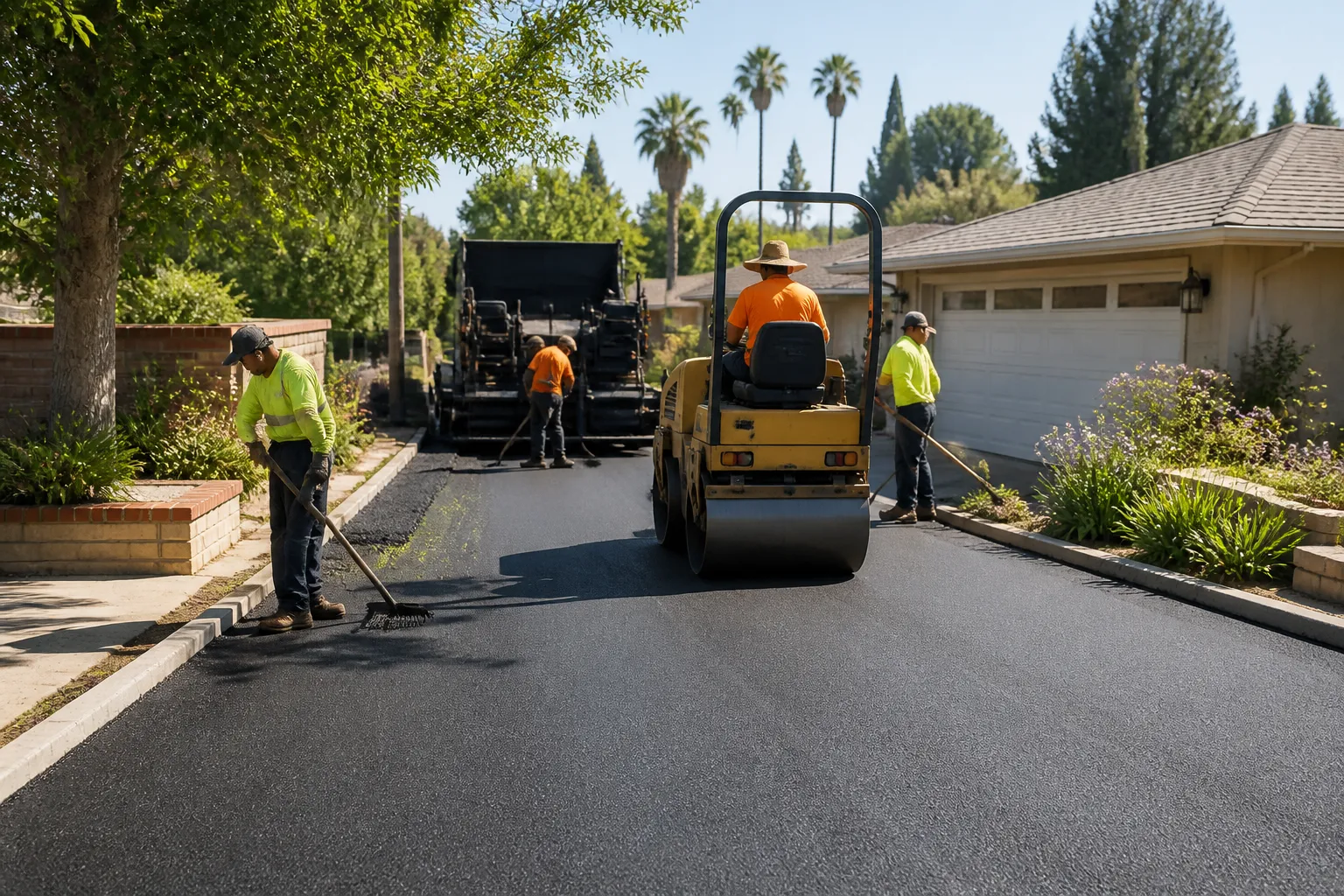
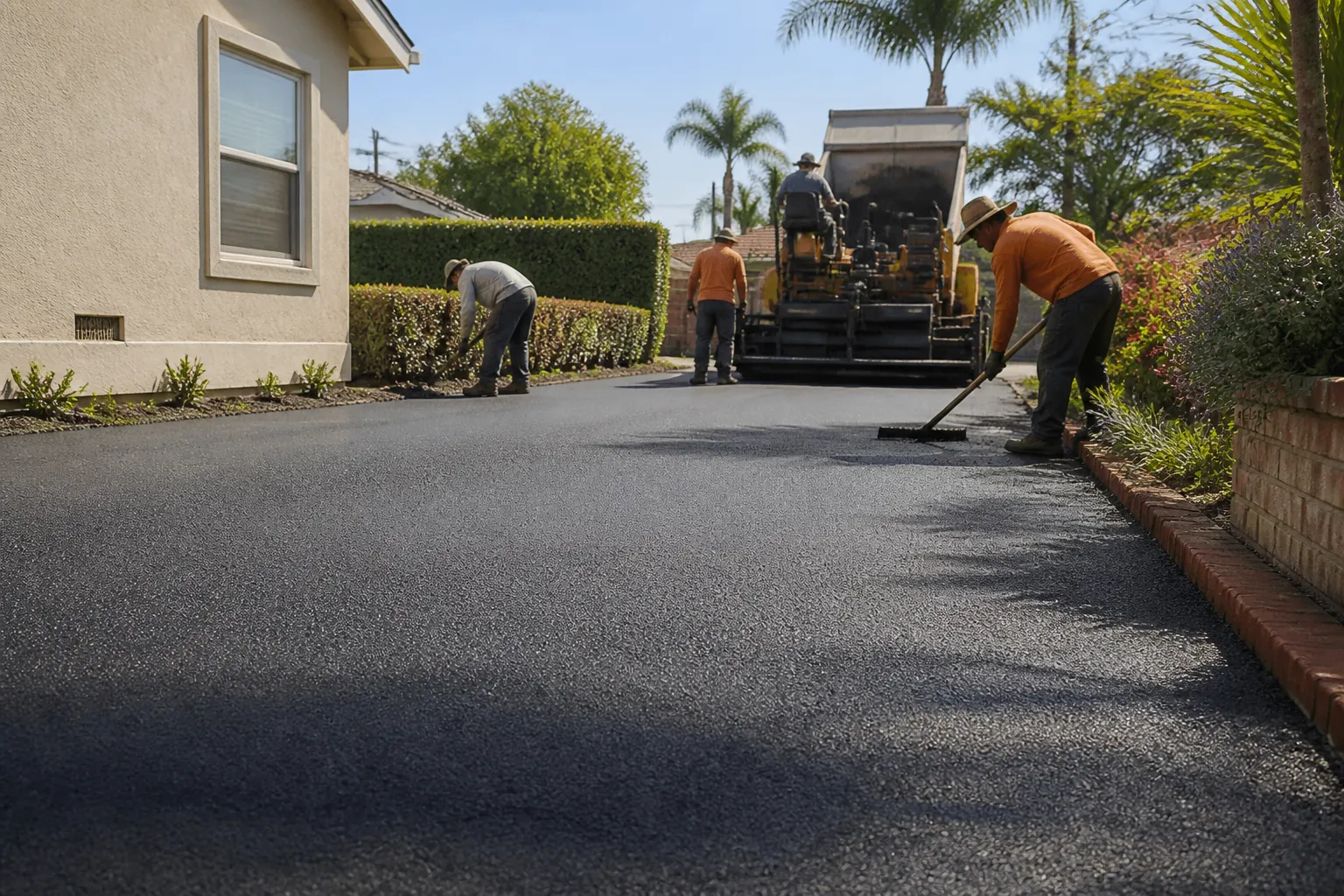
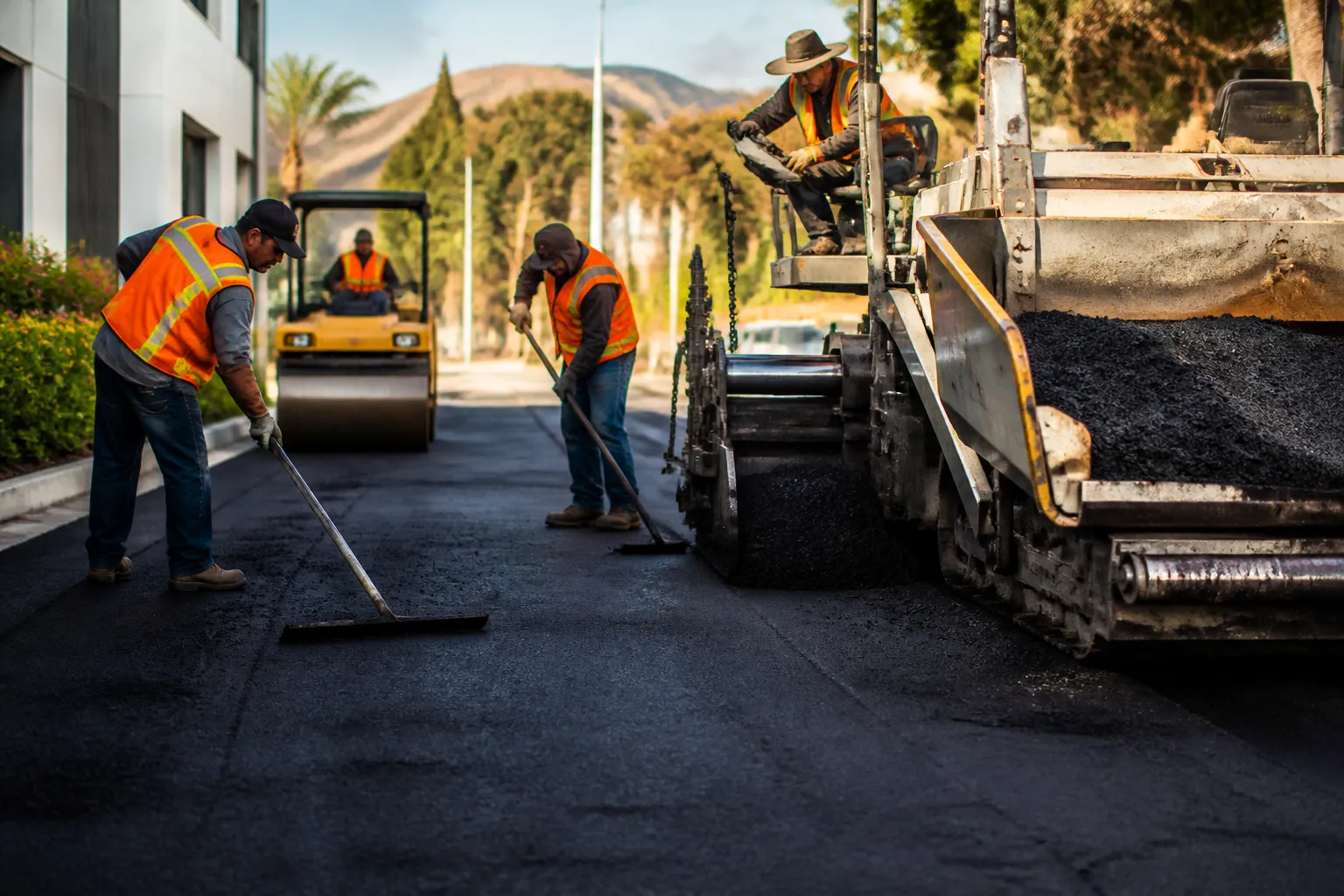
Resurfacing, sometimes called an asphalt overlay, means placing a new layer of asphalt over a prepared existing surface. Before the new layer is installed, contractors address suitable cracks, isolated failed areas, drainage concerns, and surface preparation. A tack coat is commonly used to help the new asphalt bond to the old surface.
Resurfacing can restore a smoother, darker driving surface and improve the appearance of a property when the underlying pavement remains structurally sound. It is generally intended for pavement with surface wear, minor cracking, or localized repairs, not pavement that has widespread base failure or active drainage problems.
How the two processes work together
Milling and resurfacing are frequently part of the same project. A contractor may mill the top layer of a parking lot, repair weak sections, adjust slopes around drainage structures, then install a new asphalt overlay. In that situation, milling is the removal step and resurfacing is the new-surface step.
They can also be used separately. Milling may be performed in a targeted area to correct an elevation problem before a patch. Resurfacing may be suitable without broad milling when the existing pavement is at an appropriate height and its surface can be prepared correctly. The scope should be based on field conditions, not simply on which term sounds more comprehensive.
When milling may be the better fit
Milling is worth considering when a pavement surface is too high relative to curbs, garage entries, or drainage inlets. It can also help correct shallow ruts, uneven areas, and damaged surfaces before a new overlay is placed. On larger parking lots, milling can make it possible to preserve transitions and maintain more consistent grades.
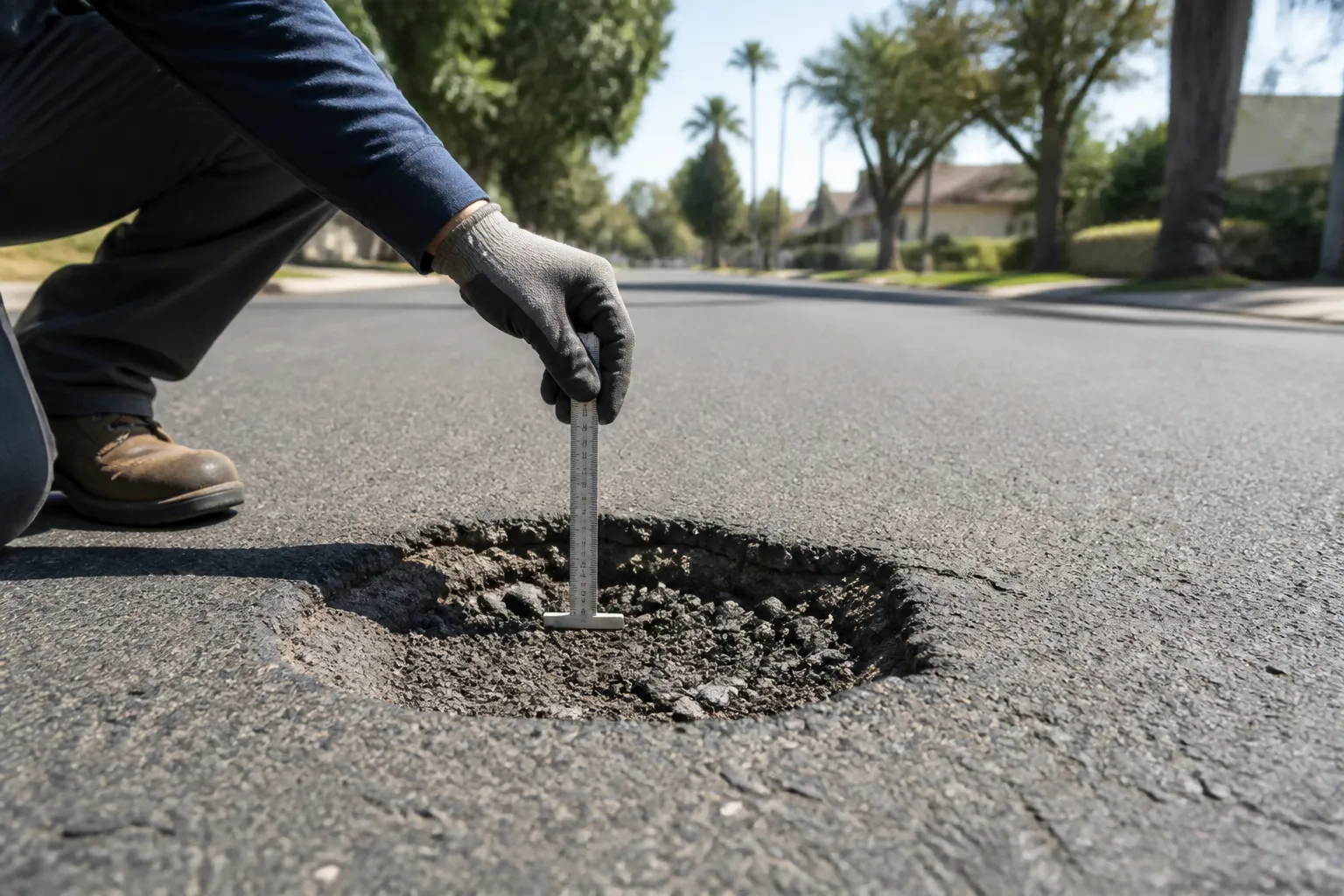
However, milling does not automatically solve every underlying issue. If the base is soft, water is moving beneath the pavement, or the asphalt has deep alligator cracking across broad areas, removing only the upper layer may expose a more serious problem. The repair plan should include base work where the assessment shows it is needed.
When resurfacing may be the better fit
Resurfacing is often useful when the asphalt has faded, lost some smoothness, or developed moderate surface wear but remains stable under traffic. It can be a practical way to renew a driveway or commercial lot that is not yet at the point of full removal and replacement. Isolated potholes and cracks should be repaired first so the new layer has a reliable foundation.
A new overlay is not a cure for structural failure. Cracks caused by movement or a weak base can reflect through the new asphalt over time. That does not mean resurfacing lacks value. It means a site evaluation should determine whether the existing pavement can support it and whether repairs are needed before the overlay.
Key differences at a glance
- Milling removes asphalt: It lowers or profiles the existing surface to a selected depth.
- Resurfacing adds asphalt: It installs a new layer over a properly prepared base surface.
- Milling manages elevation: It is especially useful around curbs, inlets, and entrances where height matters.
- Resurfacing renews the surface: It can improve ride quality and appearance when the pavement structure is sound.
- Both require preparation: Cracks, failed patches, drainage, and weak areas need attention rather than being covered without evaluation.
Factors that guide the decision
Traffic is an important factor. A lightly used residential drive experiences different loads than a commercial lot with delivery trucks or frequent turning traffic. Drainage is equally important because standing water and runoff can weaken the base below either a milled or an overlaid surface. The condition of the pavement edges, prior patches, curb lines, and adjacent concrete all helps determine the appropriate approach.
The goal is not always to choose the least involved option. It is to select a repair that matches the condition of the pavement and supports a usable surface. A clear scope should explain what material will be removed, which areas will receive base or patch repairs, how drainage will be handled, and what new asphalt layer is proposed.
Plan the next step for your pavement
Van Nuys Asphalt Paving can evaluate whether milling, resurfacing, a combination of both, or another repair approach fits your driveway or parking lot. We consider pavement condition, traffic, drainage, access points, and existing elevations before recommending a practical scope. Call +1 (747) 247-9560 to discuss your asphalt project.